
A reliable supply of hot water is something most homeowners rarely think about until problems begin to appear. From warm showers and laundry cycles to dishwashing and cleaning, water heaters support many of the daily routines people depend on. However, like any major household appliance, water heaters require ongoing care to continue operating efficiently and safely. Regular maintenance helps prevent sudden breakdowns, reduces energy waste, and extends the lifespan of the unit.
Working with a professional plumbing contractor can make water heater maintenance far more effective. Skilled technicians know how to identify small issues before they become expensive repairs, ensuring the system remains dependable year-round. Whether a homeowner has a traditional tank water heater or a modern tankless system, consistent maintenance can save money while improving comfort and efficiency.
How Often Should You Schedule Water Heater Maintenance?
Most water heaters benefit from professional maintenance at least once a year. Annual inspections allow a plumbing contractor to evaluate the condition of the unit, flush accumulated sediment, inspect valves and connections, and ensure the appliance is functioning properly. In homes with hard water or heavy daily usage, maintenance may need to occur more frequently.
Sediment buildup is one of the most common problems affecting water heaters. Minerals from the water supply settle at the bottom of the tank over time, reducing efficiency and making the heater work harder to produce hot water. Without routine flushing, this buildup can eventually damage the tank and heating elements. A plumbing contractor can safely remove the sediment and restore proper performance before major issues develop.
Tankless water heaters also require regular servicing. Although these systems are highly efficient, mineral scaling can still affect their performance. According to This Old House, tankless water heaters last about 20 years. Proper maintenance plays a major role in helping homeowners achieve that level of longevity. Routine descaling and inspections help ensure tankless systems continue operating efficiently for many years.
Homeowners should also consider scheduling maintenance before colder seasons begin. Water heaters often experience increased demand during the winter months, making preventative maintenance especially valuable before temperatures drop. A plumbing contractor can confirm the system is prepared to handle increased usage and identify potential concerns before they lead to inconvenient breakdowns.
What Are the Signs That Your Water Heater Needs Maintenance?
Many water heater problems begin with subtle warning signs that are easy to overlook. Recognizing these symptoms early can help homeowners avoid larger and more expensive repairs. One of the most common indicators is inconsistent water temperature. If the hot water suddenly turns cold or fluctuates unexpectedly, it may signal a failing heating element or sediment buildup within the tank.
Unusual noises are another sign that maintenance may be needed. Popping, rumbling, or banging sounds often occur when sediment hardens at the bottom of the tank. This buildup forces the system to work harder and can eventually damage internal components. A qualified plumbing contractor can inspect the unit and perform the necessary cleaning to restore proper operation.
Discolored water is another issue homeowners should not ignore. Rusty or cloudy hot water may indicate corrosion inside the tank or problems with the anode rod. If left untreated, corrosion can weaken the tank and increase the likelihood of leaks. Scheduling maintenance with a plumbing contractor can help identify the source of the problem and prevent further damage.
Water leaks around the base of the heater should also be addressed immediately. Even small leaks can worsen over time and potentially lead to water damage within the home. A plumbing contractor can determine whether the issue stems from loose connections, faulty valves, or a more serious tank failure.
Can Regular Maintenance Extend the Life of Your Water Heater?
One of the greatest advantages of routine maintenance is the ability to extend the lifespan of a water heater. Replacing a water heater can be a significant expense, so homeowners naturally want to maximize the longevity of their investment. Preventative care helps reduce wear and tear on the system while minimizing the risk of major component failure.
Flushing the tank regularly removes sediment that would otherwise place extra strain on the heating elements and tank lining. Over time, excessive sediment can lead to overheating, corrosion, and cracks within the tank. By scheduling regular service with a plumbing contractor, homeowners can protect the internal components and keep the system functioning more efficiently.
The anode rod is another important part of water heater maintenance. This metal rod helps prevent rust from forming inside the tank by attracting corrosive elements in the water. During maintenance appointments, a plumbing contractor can inspect the anode rod and replace it if necessary. Replacing a worn rod is a relatively inexpensive repair that can greatly extend the life of the water heater.
Pressure relief valves and thermostat settings also require periodic inspection. Faulty valves can create dangerous pressure buildup, while incorrect thermostat settings can increase energy consumption and strain the system. Regular inspections ensure all components are functioning safely and properly.
What Does Water Heater Maintenance Involve?
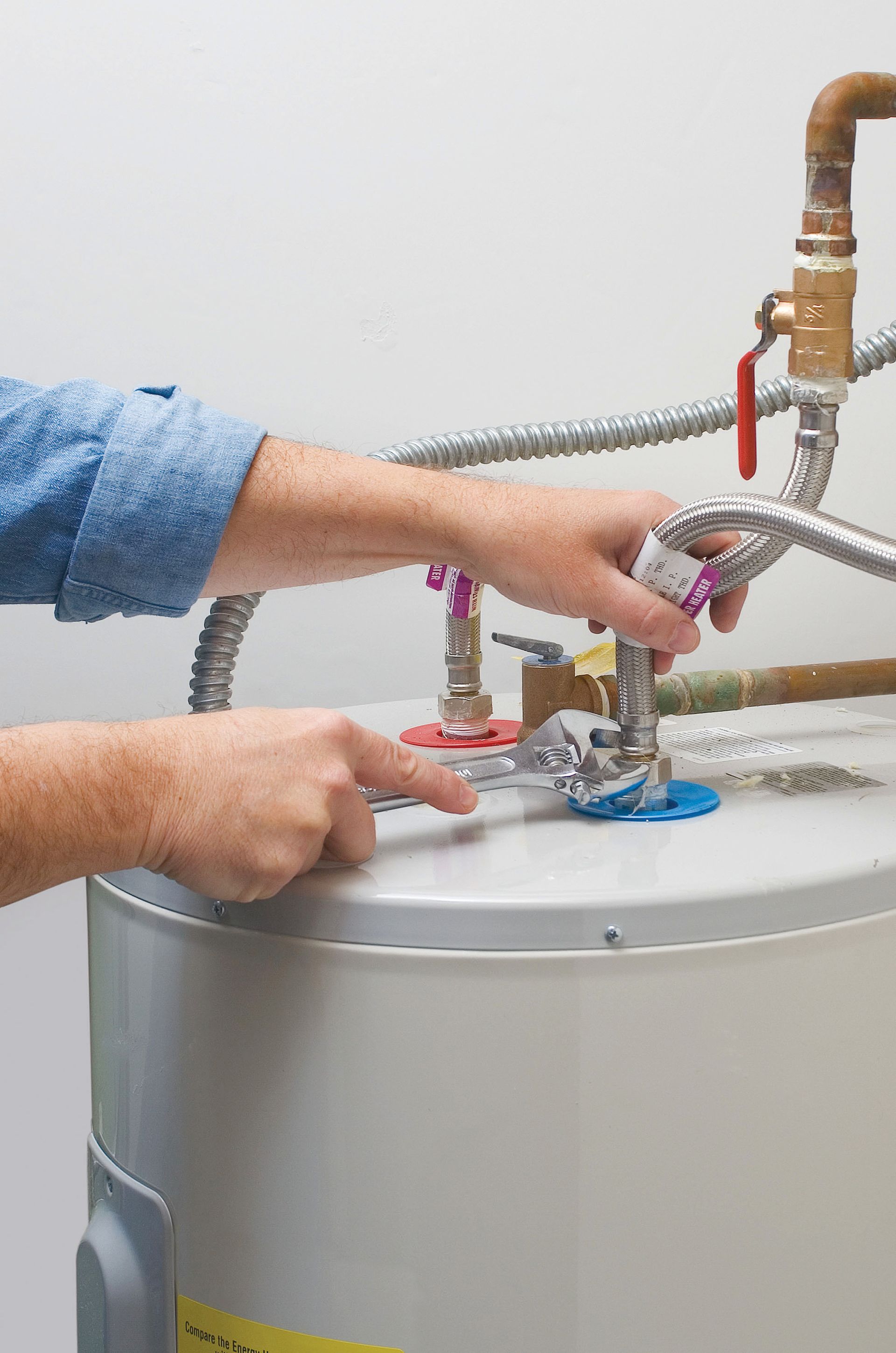
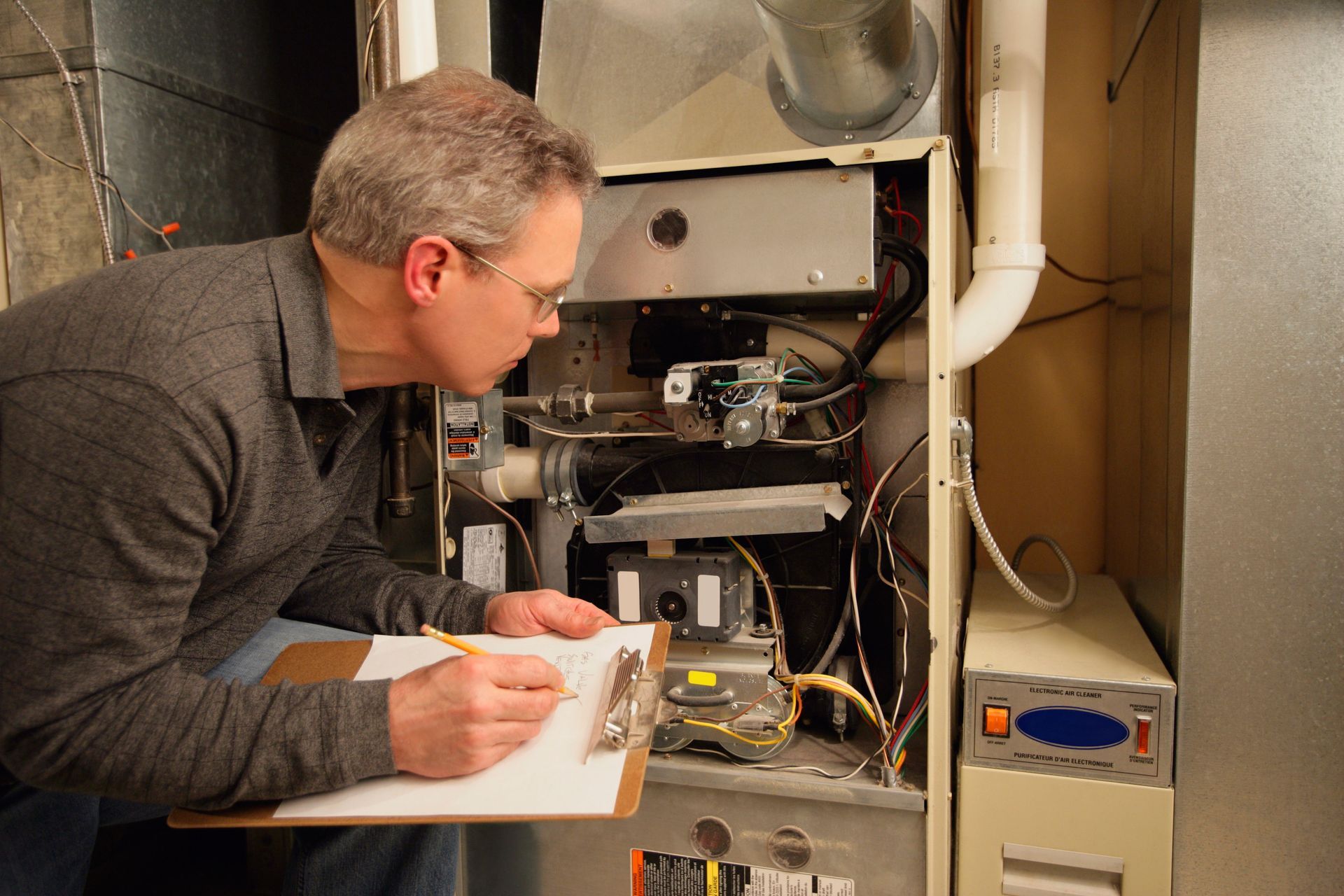
Water heater maintenance involves several important steps designed to improve efficiency, safety, and reliability. A professional plumbing contractor typically begins with a thorough inspection of the entire system. This includes checking for leaks, corrosion, damaged connections, and signs of wear on critical components.
One of the most essential maintenance tasks is flushing the tank. During this process, sediment and mineral deposits are drained from the bottom of the tank to improve heating performance and reduce strain on the system. Flushing also helps eliminate noises caused by hardened sediment buildup.
The plumbing contractor will often inspect the anode rod during the appointment. Since this component protects the tank from corrosion, replacing it when necessary can significantly extend the lifespan of the unit. Ignoring a deteriorated anode rod can allow rust to spread inside the tank, eventually causing leaks and failure.
Temperature and pressure relief valves are also tested during routine maintenance. These safety devices prevent dangerous pressure buildup within the tank. If a valve malfunctions, it can create serious safety hazards for the household. Regular testing ensures the system continues operating safely.
For tankless systems, maintenance may include descaling procedures to remove mineral deposits from internal components. This process helps preserve efficiency and maintain steady hot water performance. A plumbing contractor may also clean filters, inspect burners, and verify that all electronic controls are functioning correctly.
Are There Cost Savings Associated With Regular Maintenance?
Many homeowners hesitate to schedule maintenance because they view it as an unnecessary expense. However, regular water heater maintenance often results in significant long-term savings. An efficient water heater uses less energy, lowering monthly utility bills while reducing strain on the system.
Sediment buildup forces water heaters to work harder to heat water, increasing energy consumption. Flushing the system and performing regular tune-ups helps restore efficiency and lower operating costs. A plumbing contractor can identify areas where the system may be wasting energy and recommend improvements that increase performance.
Preventative maintenance also reduces the likelihood of expensive emergency repairs. Major water heater failures often occur without warning and can require immediate replacement. By identifying problems early, a
plumbing contractor can address small repairs before they become much larger issues.
Regular water heater maintenance plays a vital role in preserving efficiency, extending equipment lifespan, and preventing costly repairs. By working with a professional plumbing contractor, homeowners can ensure their water heater continues operating safely and reliably throughout the year. From flushing sediment and inspecting safety components to improving energy efficiency, preventative maintenance offers both immediate and long-term benefits. Consistent care not only protects the appliance itself but also helps homeowners avoid unnecessary expenses and maintain dependable access to hot water every day. If you're looking for water heater maintenance, reach out to the team at The Witmer Company today!









Share On: