
Maintaining a comfortable indoor climate is essential for the smooth operation of any household or modern business facility. Unfortunately, climate control systems have a reputation for breaking down at the most inconvenient times, such as during intense summer heatwaves or freezing winter storms. Understanding the underlying mechanical issues that cause these sudden disruptions empowers you to protect your property, manage your energy costs, and keep your indoor environment safe year-round.
1. Ignoring Routine Air Filter Replacement Schedules
The single most common cause of unexpected climate control failure is a simple, heavily neglected air filter. Over weeks of continuous operation, filters accumulate a thick layer of dust, pet dander, lint, and airborne debris that chokes the essential airflow moving through your equipment. When air cannot circulate freely, the entire system must work twice as hard to regulate the indoor temperature, placing immense mechanical strain on internal components. For heating systems, this restricted airflow can cause the heat exchanger to overheat rapidly and crack, while cooling systems will experience frozen evaporator coils that stop the cooling process entirely. Establishing a strict habit of inspecting and replacing your filters every thirty to ninety days shields your equipment from this unnecessary friction, ensuring your system runs smoothly when you need it most.
2. Neglecting Consistent Professional Maintenance Checkups
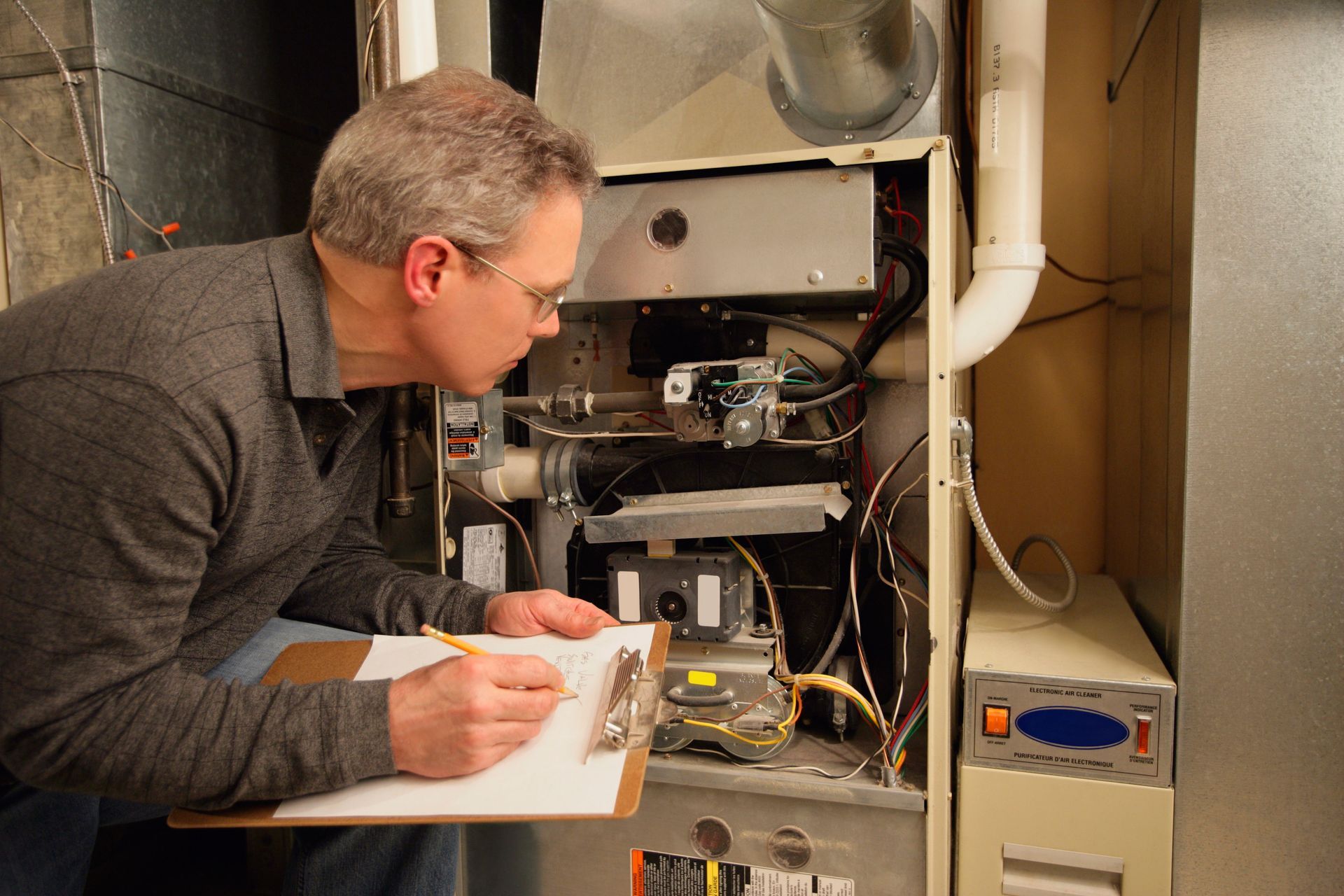
Many property owners make the mistake of only contacting a professional HVAC company when their heating or cooling equipment stops working entirely. Passing up seasonal tune-ups allows minor issues—such as loose electrical connections, worn fan belts, or blocked drain lines—to slowly evolve into massive mechanical failures. During a routine preventative maintenance visit, a certified technician will meticulously clean, lubricate, adjust, and test every internal component to guarantee peak operational efficiency. Skipping these vital checkups forces the machinery to run under sub-optimal conditions, accelerating the wear and tear of expensive moving parts. Investing in proactive seasonal care is the best way to catch hidden vulnerabilities early, preventing unexpected emergency breakdowns during extreme weather shifts.
3. Overlooking Gradual Refrigerant Leakage and Low Pressure
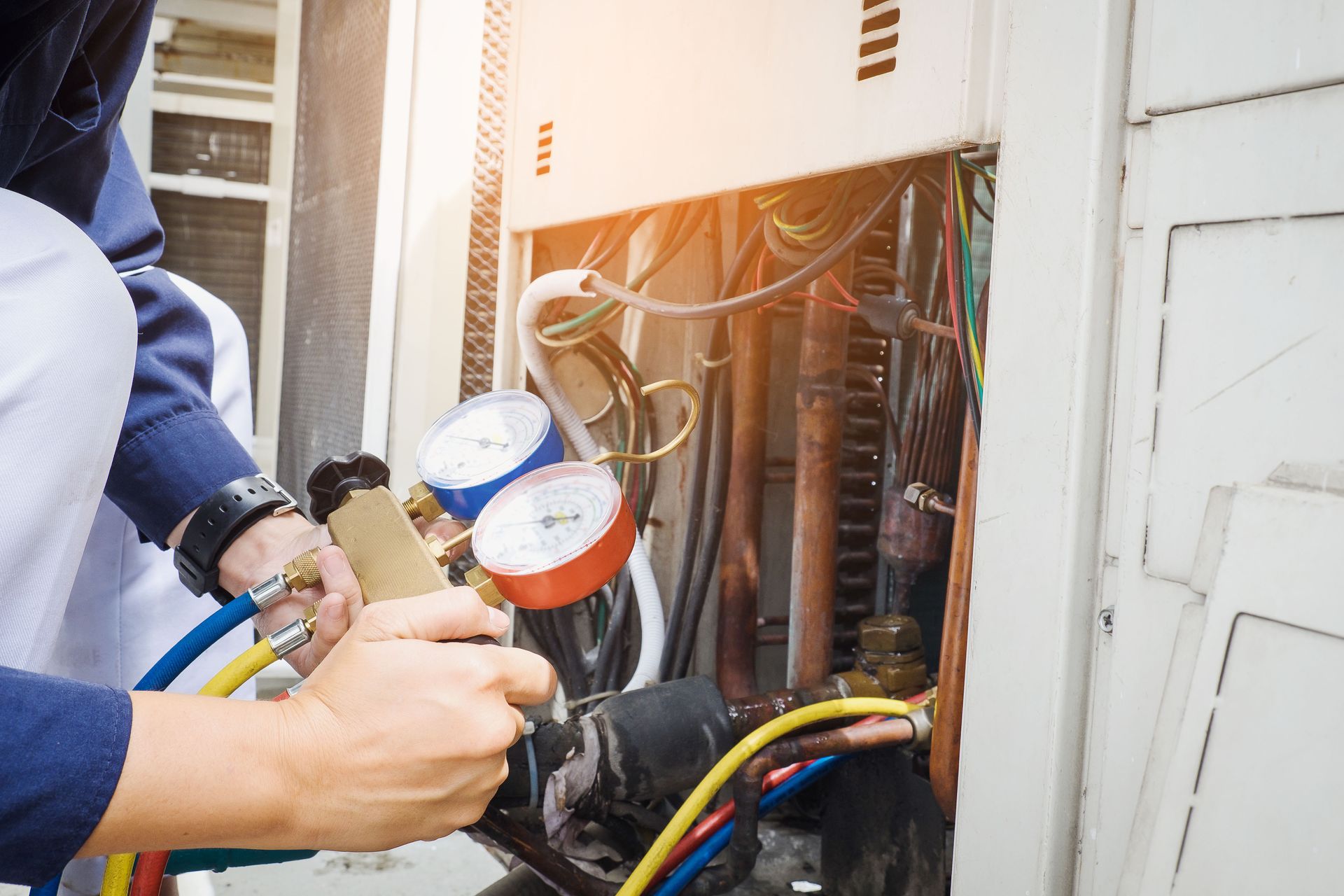
Refrigerant is the crucial chemical lifeblood of your air conditioning and heat pump systems, responsible for actively absorbing and transferring thermal energy out of your indoor air. A common misconception is that these systems naturally consume refrigerant over time, but the truth is that a properly functioning unit operates on a completely sealed closed-loop network. If your system is low on refrigerant, it means a physical crack or chemical corrosion has created a leak within your copper lines or coils. Running an air conditioner with inadequate refrigerant levels forces the compressor to overheat and work under dangerous pressure differentials, which will eventually destroy the motor entirely. If you notice a sudden drop in cooling capacity, ice buildup on your outdoor lines, or a strange hissing sound, you must contact an expert HVAC company immediately to patch the leak and safely recharge the chemical levels.
4. Disregarding Early Warning Signs of Electrical Component Wear
Modern climate control systems rely on an intricate network of electrical components, relays, capacitors, and contactors to orchestrate the heating and cooling cycles safely. Capacitors, which act like temporary storage batteries to deliver the high-voltage jolt needed to start the compressor and fan motors, are highly sensitive to intense summer heat and electrical power surges. When a capacitor begins to degrade or bulge, it forces the associated motor to draw excessive electrical current, leading to burnt wiring, blown fuses, and tripped circuit breakers. If you ignore minor electrical warnings—such as clicking sounds at startup, brief humming noises, or breakers that occasionally trip—you risk permanently burning out your main compressor motor. Partnering with an experienced HVAC company to inspect your electrical control boards ensures these small, inexpensive parts are replaced before they cause catastrophic system failure.
Furthermore, electrical issues often ripple backward through your entire property, degrading your digital thermostat connection or causing voltage drops that stress your home's main electrical panel. When a contactor pits or fuses together due to electrical arcing, it can trap the system in a continuous operational loop, leading to massive utility spikes and frozen equipment. Certified technicians utilize advanced multimeters to measure microfarad ratings and electrical resistance with absolute precision during routine checks. Replacing a failing capacitor takes only a few minutes, yet this simple preventative swap acts as a powerful insurance policy for your expensive compressor. This proactive oversight eliminates sudden power failures and keeps your complex electrical components humming smoothly through the peak of the season.
5. Utilizing Outdated Equipment Past Its Natural Operational Lifespan
No matter how diligently you clean your air filters or schedule professional inspections with an HVAC company, every mechanical system possesses a definitive structural expiration date. As a system approaches the final chapters of its operational life, the metal components naturally weaken, electrical insulation degrades, and internal efficiency drops significantly. Knowing the general longevity of these units helps you plan for an orderly replacement rather than being forced into a stressful, emergency purchase during a blizzard or heatwave. Fortunately, modern engineering standards give property owners a realistic window for financial planning. According to HomeGuide, most HVAC systems last 15 to 25 years, depending on the brand and how often they are used. Recognizing when your aging machinery has reached this critical chronological threshold allows you to contact and HVAC company proactively and upgrade to a high-efficiency system on your own terms.
Continuing to run a unit beyond this baseline often results in a compounding cycle of expensive repairs that quickly eclipse the cost of a complete upgrade. Older models also rely on outdated refrigerants that are increasingly difficult and costly to source due to shifting environmental regulations. By transitioning to a modern, Energy Star-certified setup before your old system experiences a terminal breakdown, you immediately benefit from lower monthly utility bills and whisper-quiet operation. This proactive approach gives you the time to thoroughly research various brands, compare efficiency ratings, and select a customized climate control solution that perfectly aligns with your property's spatial layout and long-term financial goals.
6. Trusting Unqualified Personnel for Complex Mechanical Repairs
When faced with a sudden system glitch, it can be tempting to save money by attempting a DIY repair or hiring a generic neighborhood handyman. However, modern climate control units are highly sophisticated pieces of machinery that feature complex computerized control boards, sensitive environmental sensors, and high-voltage electrical circuits. An unqualified individual lacks the specialized diagnostic tools, safety credentials, and brand-specific training required to troubleshoot these systems without making minor errors. A single incorrectly connected wire or a poorly calibrated thermostat can cause severe electrical shorts, void your active manufacturer warranties, and permanently ruin your entire system footprint. Entrusting your property's climate control exclusively to a licensed, fully insured HVAC company ensures that every adjustment is executed safely and precisely to factory specifications.
Taking the time to understand the primary triggers behind sudden climate control emergencies empowers you to make highly informed decisions regarding your building's long-term comfort and safety. Prioritizing routine filter changes, monitoring your utility bills for sudden spikes, and listening closely for unusual mechanical noises will keep you steps ahead of unexpected breakdowns. Establishing a proactive relationship with a team of trusted service professionals ensures your equipment operates at peak efficiency through every changing season. If you are ready to secure your property's comfort and schedule a comprehensive system inspection, contact The Witmer Company today to partner with our dedicated team of climate control experts!








Share On: