
Maintaining a water heater is not merely about avoiding a breakdown; it is about managing the internal environment of the tank to prevent the natural processes of corrosion and sediment buildup. Most units have a finite lifespan, but that duration is highly dependent on the quality of the water, the settings of the device, and the frequency of professional checkups. When a system is neglected, it must work harder to heat water, leading to increased wear on components and higher utility bills. Engaging with professional HVAC services can help identify these issues before they lead to a complete system failure.
Assessing System Performance Regularly
Monitoring the behavior of your water heater is the first step in extending its life. A system that begins to make popping or rumbling noises is often struggling with sediment at the bottom of the tank. This sediment acts as a barrier between the burner or heating element and the water, causing the metal to overheat and eventually weaken. By scheduling regular inspections through professional HVAC services, you can have the interior of your tank evaluated. Professionals have the tools to identify whether these noises are benign or if they indicate a more serious structural problem within the tank lining.
A decrease in the volume of hot water available is another sign that the system is losing its effectiveness. If you find that the water runs cold much faster than it used to, there may be an issue with the internal dip tube or a significant accumulation of minerals. Professional technicians can diagnose these performance dips and provide solutions that restore the unit to its optimal functioning state. Regular assessment prevents the small inconveniences of today from becoming the major mechanical failures of tomorrow.
Adjusting Temperature Settings Correctly
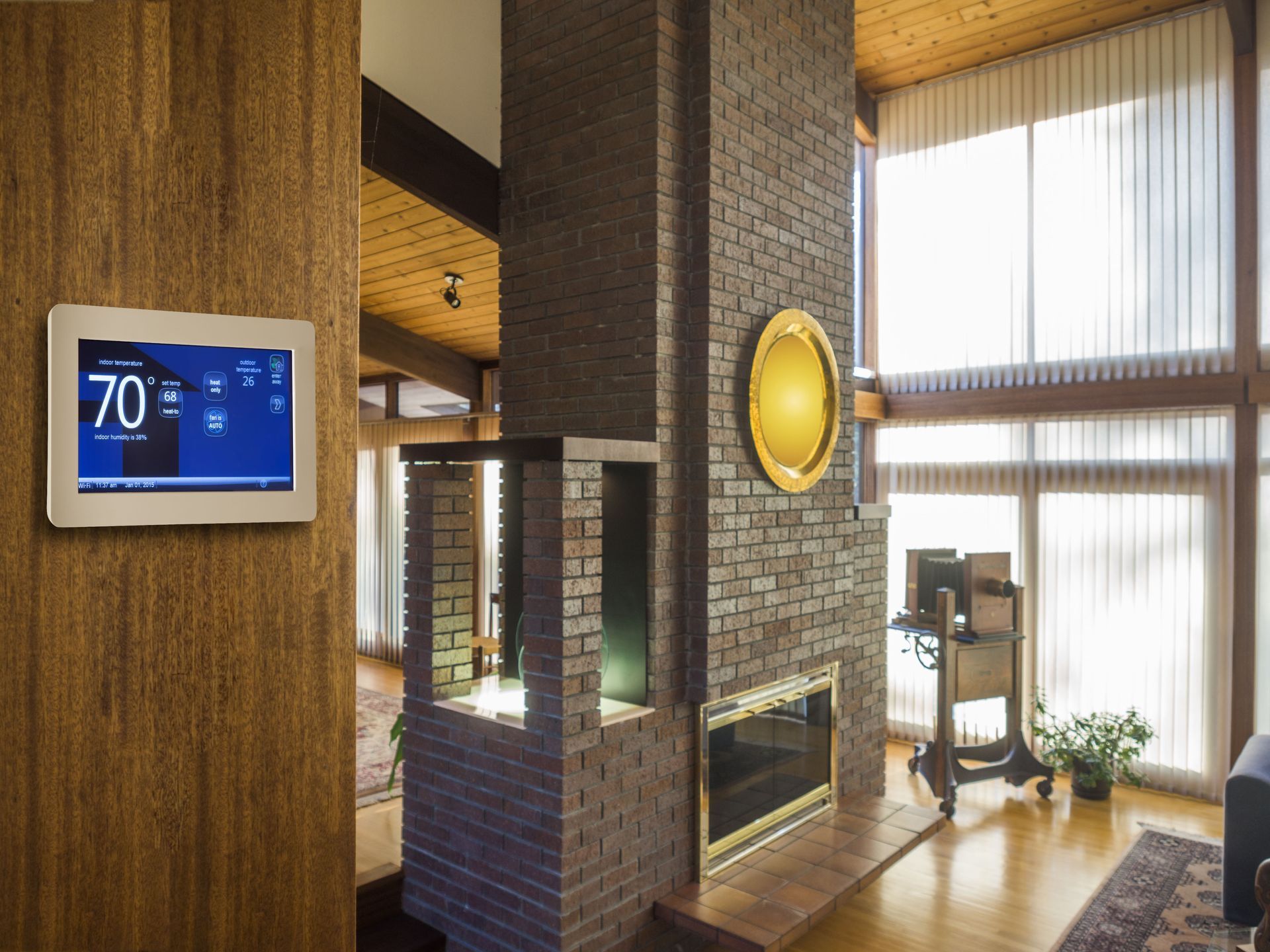
The temperature at which you keep your water heater has a direct impact on the rate of internal wear. High temperatures accelerate the chemical reactions that lead to corrosion and scale buildup. By keeping the thermostat at a moderate level, you reduce the thermal stress on the tank and the heating elements. According to This Old House, for every 10 degrees you lower the temperature of your water heater, you can expect to save up to 5% in energy costs. This adjustment not only preserves the integrity of the unit but also provides a noticeable benefit to your monthly budget.
Most manufacturers recommend a setting that balances comfort with efficiency. When the water is excessively hot, it can also pose a safety risk for burns. A professional can help you calibrate the thermostat to a setting that meets your household's needs without overworking the machinery. Integrating this check into your broader routine for HVAC services helps keep all your home comfort systems operating within their ideal parameters. Proper temperature management is one of the simplest yet most effective ways to slow down the aging process of a water heating unit.
Flushing Accumulated Sediment Periodically
Water contains minerals like calcium and magnesium, which settle at the bottom of the tank over time. This layer of "scale" creates an insulating barrier that makes the heater less efficient and causes the bottom of the tank to become too hot. This localized overheating can stress the glass lining of the tank, leading to cracks. Periodic flushing involves draining the tank to wash out these particles, a process that should be handled by a professional to prevent any damage to the valves or heating elements.
When a professional performs a flush, they can also check the clarity of the water and the presence of any metallic flakes, which might indicate that the tank is already starting to deteriorate. By including this task in your regular schedule for HVAC services, you maintain the internal cleanliness of the system. This allows the burner or electric element to transfer heat directly to the water, reducing the time the unit needs to run and decreasing the total mechanical strain on the system.
Inspecting Safety Valves Frequently
The temperature and pressure relief valve is a vital safety feature on every water heater. It is designed to open and release water if the internal pressure or temperature exceeds safe limits. If this valve becomes stuck or clogged with mineral deposits, it cannot perform its job, which could lead to a dangerous buildup of pressure. A professional can test this valve to confirm it is functioning as intended and that it closes tightly after being triggered.
During a routine visit for HVAC services, a technician will look for signs of leaking or "weeping" around this valve. A leaking valve is often a sign that the pressure in your plumbing system is too high or that the valve itself has failed. Addressing these issues quickly prevents water damage in your home and keeps the water heater operating within a safe pressure range. A well-maintained valve is a key indicator of a healthy and safe water heating system.
Mitigating Hard Water Impacts
The quality of the water entering your home plays a massive role in the longevity of your appliances. Hard water, which is rich in minerals, is particularly aggressive toward water heaters. It leads to faster scale buildup and can shorten the life of the unit by several years. If you live in an area with hard water, a professional can suggest filtration or conditioning systems that treat the water before it ever reaches the heater.
Managing water quality is a holistic approach to home maintenance. When you work with a company that provides HVAC services, they can often evaluate the impact that your water chemistry is having on your heating and cooling equipment. Protecting the water heater from the abrasive effects of hard water minerals will result in fewer repairs and a much longer period of service. Reducing the mineral load means the tank stays cleaner and the internal components remain free of heavy buildup.
Optimizing the Surrounding Environment
The location of the water heater also affects its performance and durability. A unit located in a damp space without ventilation may be prone to external rust on the jacket or components. Professionals can evaluate the area around your heater to confirm there is adequate airflow and that the unit is not being crowded by storage items. Proper spacing is necessary for both safety and ease of maintenance access.
If the water heater is located in an unheated space like a garage or crawlspace, it must work harder to maintain water temperature during the winter. A professional can provide solutions to insulate the pipes leading to and from the unit, which reduces heat loss as the water travels through your home. These small environmental optimizations are often discussed during standard appointments for HVAC services, helping to create a more stable operating environment for the unit.
Planning for Professional Maintenance
The most effective way to extend the life of a water heater is to move from a reactive mindset to a proactive one. Instead of waiting for a leak or a lack of hot water to call for help, establishing a regular schedule for professional checkups is the best strategy. A professional can see the early signs of wear that are invisible to the untrained eye. They can tighten loose connections, check for gas leaks, and confirm that the venting system is clear and safe.
By prioritizing professional HVAC services, you are investing in the continued functionality of your home. A water heater that is cared for by a professional will operate more quietly, more efficiently, and for a much longer period of time. It provides peace of mind knowing that the system is being monitored by those with the correct training and equipment to handle the complexities of high-pressure and high-temperature machinery.
Taking these steps helps avoid the sudden stress and high cost of emergency water heater replacement. To keep your home running smoothly, schedule your next appointment for comprehensive HVAC services with The Witmer Company.









Share On: