HVAC systems are essential for maintaining comfortable indoor environments throughout the year, especially during periods of extreme heat or cold. When these systems begin to fail, the warning signs are often subtle at first but can quickly develop into more serious and costly problems if ignored. Homeowners who stay aware of early indicators are better positioned to prevent larger system disruptions.
Common early warning signs include uneven temperatures, reduced airflow, unusual noises, or inconsistent cycling patterns. These symptoms may indicate underlying mechanical issues, airflow restrictions, or electrical irregularities within the system. Addressing these concerns early through professional HVAC services can help reduce the risk of more extensive system damage.
Many homeowners delay addressing minor issues because the system still appears to function. However, small performance changes often signal deeper problems that can worsen over time. Professional evaluation helps ensure that these issues are properly identified and managed before they escalate into major repairs or system failure.
Addressing Airflow Restrictions That Reduce System Efficiency
Airflow is one of the most important components of HVAC performance, as it directly impacts temperature consistency and energy usage throughout the home. When airflow becomes restricted, the system must work harder to circulate conditioned air, which can lead to increased strain on internal components. Over time, this strain can shorten system lifespan.
Restricted airflow may result from clogged filters, blocked vents, duct obstructions, or internal system buildup. These issues can develop gradually, making them difficult for homeowners to notice right away. Professional evaluation through HVAC services helps identify airflow restrictions before they significantly impact system efficiency or comfort levels.
Poor airflow not only affects comfort but also contributes to uneven heating and cooling throughout the home. Some rooms may feel too warm or too cold, while others remain at inconsistent temperatures. Addressing airflow problems early helps restore balance and improves overall system performance.
Managing Refrigerant Issues That Impact Cooling Performance
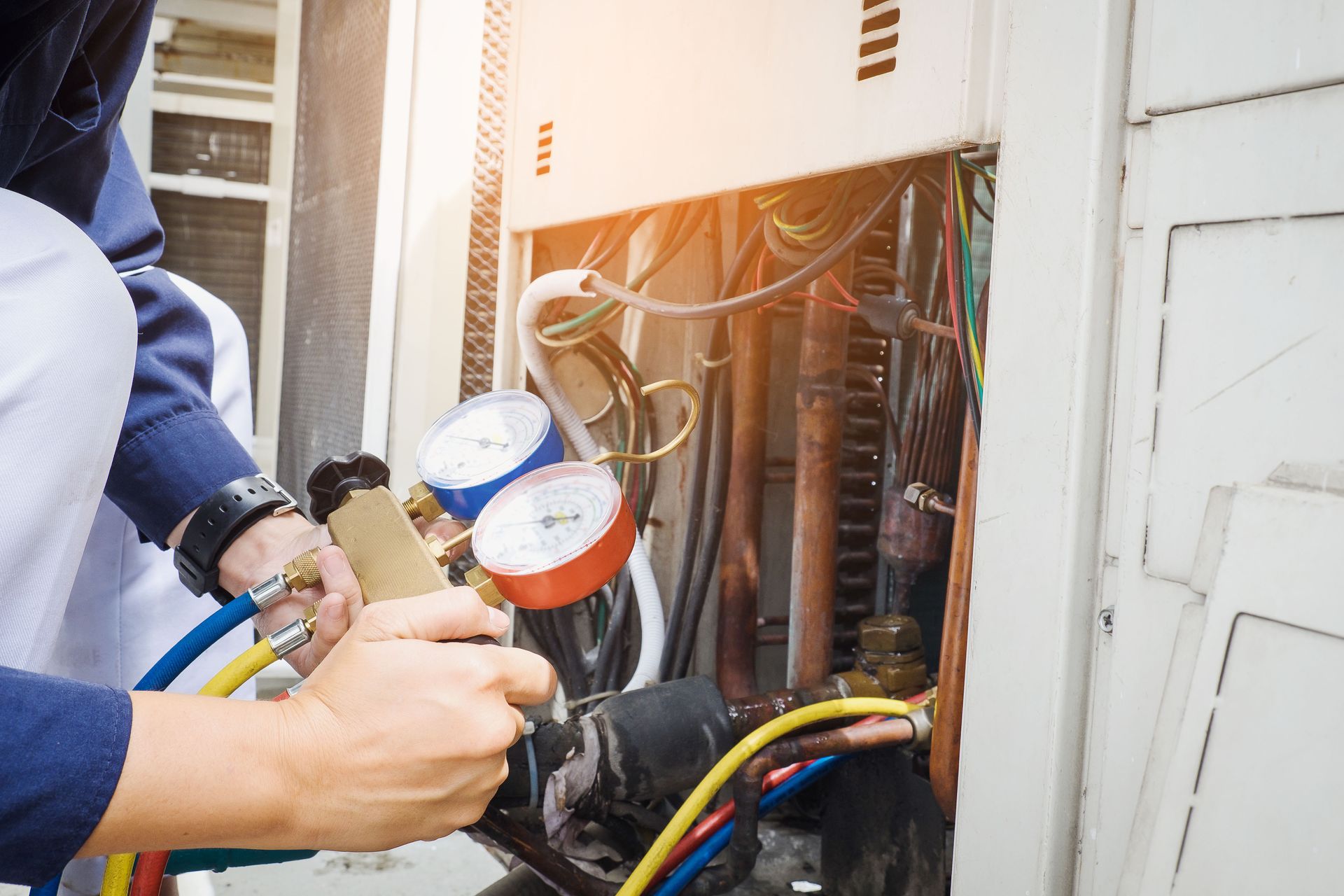
Refrigerant plays a critical role in the cooling process, allowing HVAC systems to absorb heat from indoor air and release it outside. When refrigerant levels are too low or when leaks occur, the system’s ability to cool effectively becomes compromised. This often results in longer run times and reduced comfort levels indoors.
Low refrigerant levels can also place additional stress on key system components, such as the compressor. Over time, this strain can lead to more serious mechanical failures if not addressed promptly. Professional HVAC services are essential for diagnosing refrigerant-related issues and restoring proper system balance.
In many cases, refrigerant problems are not immediately visible to homeowners. Instead, they may notice symptoms such as warm air blowing from vents or increased humidity indoors. These signs should be evaluated quickly to prevent further system complications and ensure continued cooling efficiency.
Understanding Electrical Failures That Disrupt System Operation
HVAC systems rely on complex electrical components to regulate temperature, control airflow, and manage system cycles. When electrical issues occur, they can cause sudden system shutdowns, inconsistent operation, or complete system failure. These problems often develop due to aging components, wear and tear, or fluctuating power supply conditions.
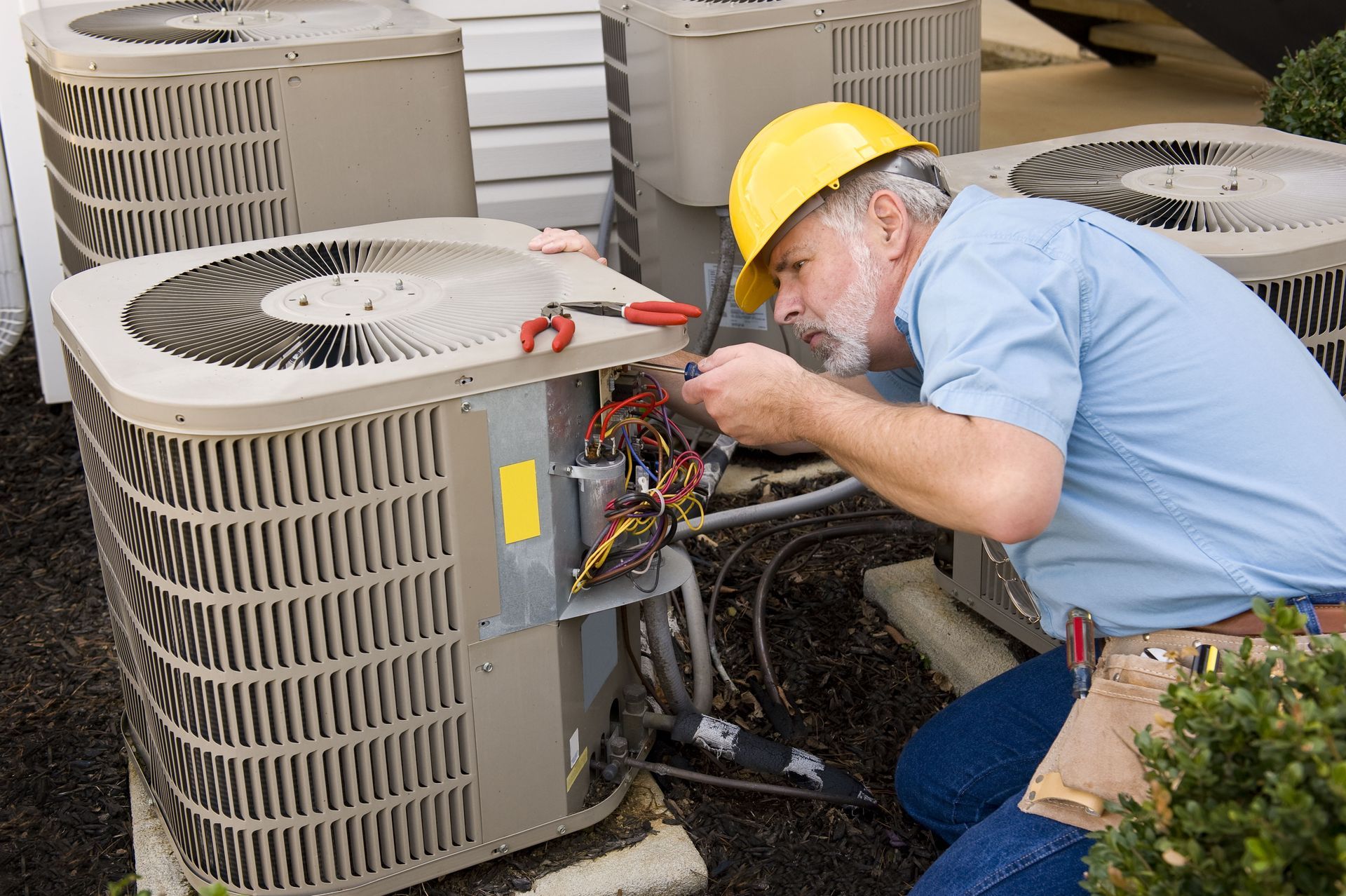
Faulty wiring, failing capacitors, or malfunctioning relays are common sources of electrical issues in HVAC systems. These problems can be difficult to diagnose without proper equipment and technical knowledge. Professional HVAC services help ensure that electrical components are properly inspected and repaired before they lead to larger system failures.
Electrical problems can also affect system efficiency even when the HVAC unit appears to be functioning. Intermittent performance issues or unexpected cycling patterns may indicate underlying electrical instability. Addressing these concerns early helps maintain system reliability and prevents more costly breakdowns.
Preventing Compressor Damage Through Early Intervention
The compressor is often considered the heart of an HVAC system, responsible for circulating refrigerant and maintaining cooling efficiency. When compressor issues develop, they can significantly impact the entire system’s ability to function. Because compressor repairs are often complex, early detection is essential.
Compressor strain can result from refrigerant imbalances, restricted airflow, or electrical irregularities. When these issues go unresolved, the compressor may overheat or operate under excessive pressure. Professional HVAC services help identify the root causes of compressor strain before permanent damage occurs.
Once compressor failure occurs, system performance is typically severely affected. In many cases, the system may stop cooling altogether or operate inefficiently. Preventive care and early intervention are key to avoiding these costly and disruptive outcomes.
Monitoring Thermostat Issues That Disrupt Temperature Control
Thermostats play a central role in regulating HVAC system performance by communicating temperature settings and controlling system cycles. When thermostats malfunction, they can cause inconsistent temperatures, frequent cycling, or failure to maintain desired comfort levels. These issues often lead homeowners to believe there is a larger system problem.
Thermostat issues may stem from calibration errors, sensor malfunctions, or wiring problems. In some cases, outdated thermostats may not accurately reflect indoor conditions, leading to inefficient system operation. Professional HVAC services help diagnose whether the issue is related to the thermostat or the HVAC system itself.
Upgrading or repairing thermostat components can significantly improve system efficiency and comfort. When thermostats function correctly, HVAC systems operate more smoothly and maintain consistent temperatures throughout the home. Proper control is essential for maximizing system performance.
Reducing Energy Waste From Inefficient System Performance
Energy efficiency is a major concern for homeowners relying on HVAC systems for year-round comfort. When systems operate inefficiently, they consume more energy while delivering reduced performance. This not only impacts comfort but also contributes to unnecessary strain on system components.
According to HomeGuide, HVAC systems typically have seasonal energy efficiency ratio ratings (SEER) ranging from 13 to 26, depending on the brand and model. These ratings help measure how efficiently a system uses energy to cool a home. Lower efficiency systems may require more frequent operation to achieve desired temperatures.
Professional HVAC services help identify inefficiencies within the system and recommend adjustments to improve performance. Issues such as clogged filters, refrigerant imbalances, or aging components can all contribute to reduced efficiency. Addressing these concerns helps improve system operation and reduce unnecessary energy waste.
Identifying Ductwork Problems That Affect Air Distribution
Ductwork plays a crucial role in delivering heated or cooled air throughout the home. When ducts develop leaks, blockages, or structural issues, air distribution becomes uneven and inefficient. This can lead to inconsistent temperatures and increased system workload.
Leaky ducts can allow conditioned air to escape before reaching intended rooms, reducing overall system efficiency. Blockages caused by dust, debris, or structural damage can further restrict airflow. Professional HVAC services help identify duct-related issues that may not be visible during routine observation.
Properly functioning ductwork ensures that air is evenly distributed throughout the home. When duct systems are maintained correctly, HVAC systems operate more efficiently and provide more consistent comfort. Addressing duct issues is essential for maintaining overall system performance.
Addressing Moisture Problems That Lead to System Damage
Moisture buildup within HVAC systems can lead to a variety of operational issues, including mold growth, corrosion, and reduced efficiency. Excess humidity or drainage problems can cause water to accumulate in areas where it should not be present. Over time, this can result in significant system damage.
Drain line clogs or improper condensation management are common sources of moisture-related HVAC problems. These issues can often go unnoticed until visible damage or performance issues arise. Professional HVAC services help identify and resolve moisture concerns before they lead to long-term system deterioration.
At The Witmer Company, we are committed to helping homeowners protect their comfort and investment through dependable HVAC solutions. Our team provides professional
HVAC services designed to identify issues early, improve system efficiency, and maintain reliable performance. We take pride in delivering quality care that supports long-term comfort and peace of mind for every home we serve.






Share On: