
For homes that rely on a private well, the well pump is the heart of the water system. It ensures steady water pressure, dependable flow, and access to clean water for everyday needs. While some homeowners may be tempted to handle pump issues themselves, professional installation and maintenance provide long-term reliability, efficiency, and safety. When performed by experienced technicians offering comprehensive plumbing services, well pump work becomes a carefully managed process that protects both your water supply and your investment.
A professional approach goes beyond simply placing a pump in the ground. It involves evaluating the well’s depth, assessing water demand, selecting the right pump type, and ensuring all components work together seamlessly. Proper planning and expert execution are critical to keeping your water flowing consistently year-round.
Evaluating Your Water Needs and Well Conditions
Before installation begins, professionals conduct a thorough assessment of your property’s water system. This includes measuring well depth, determining static water levels, and calculating household water demand. The type of pump needed for a shallow well differs from what’s required for a deeper well, and choosing the correct system is essential to long-term performance.
Contractors offering plumbing services also inspect electrical systems, pressure tanks, and existing plumbing lines. They evaluate water quality, checking for sediment or mineral content that could impact pump performance. This comprehensive review ensures that the new installation is tailored specifically to your home’s needs. Accurate evaluation prevents common problems such as low water pressure, pump cycling issues, and premature equipment failure. When everything is properly sized and configured, homeowners experience reliable water delivery with fewer unexpected repairs.
Selecting the Right Equipment for Performance and Efficiency
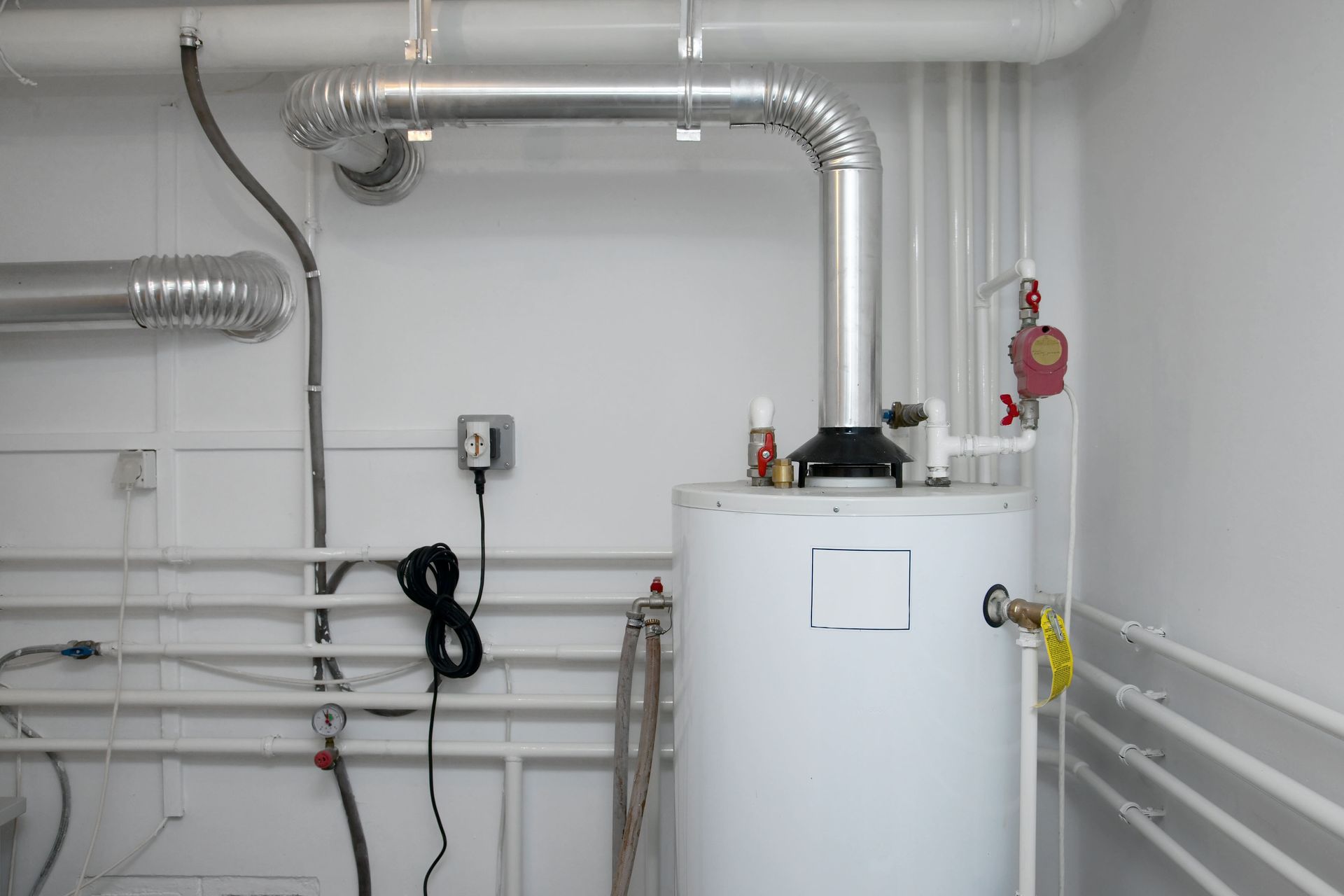
Professional well pump installation involves selecting equipment designed to match the property’s unique characteristics. Submersible pumps are typically used in deeper wells, while jet pumps are more common in shallow systems. Pressure tanks, control switches, and check valves all play a role in maintaining consistent water flow.
One critical component of the system is the pressure tank. Its job is to maintain stable water pressure and reduce how often the pump cycles on and off. Excessive cycling can wear out the pump motor prematurely. As noted by experts in home maintenance, proper tank sizing is essential. According to This Old House, an average pressure tank will normally run anywhere between 30 seconds and two minutes to fill back up and get to normal pressure levels. When a system operates outside that range, it may indicate issues such as a waterlogged tank, incorrect pressure settings, or pump inefficiencies. Professionals offering plumbing services ensure that each component is properly sized and installed to avoid these problems. By using quality materials and following manufacturer specifications, they help extend the life of the entire system.
Ensuring Proper Installation for Long-Term Reliability
Installing a well pump requires specialized knowledge and tools. The process typically involves lowering the pump into the well, securing piping, connecting electrical wiring, and calibrating pressure controls. Even a minor installation error can lead to water contamination, pressure inconsistencies, or mechanical failure.
Licensed technicians understand local building codes and safety standards. They properly seal the well cap to prevent debris and contaminants from entering the water supply. They also test voltage levels, confirm secure connections, and verify that pressure switches are correctly calibrated.
During installation, professionals perform thorough system testing. They check water flow rates, monitor pressure stability, and ensure the pump cycles appropriately. When trained experts handle plumbing services, homeowners can feel confident that their system is installed safely and efficiently.
Preventing Common Well Pump Problems Through Routine Maintenance
Ongoing maintenance is just as important as correct installation. Over time, components can wear out, sediment can accumulate, and electrical connections can loosen. Routine inspections help identify small issues before they become costly emergencies. Maintenance typically includes checking pressure tank air levels, inspecting electrical connections, testing water pressure, and examining the pump motor’s performance. Professionals may also flush the system to remove sediment buildup and ensure clear water flow.
Regular service appointments through reliable plumbing services reduce the risk of sudden breakdowns. Preventative care protects against dry running, short cycling, and pressure loss, all of which can shorten the lifespan of a well pump. With scheduled maintenance, homeowners gain peace of mind knowing their water supply remains dependable.
Improving Water Pressure and System Efficiency
One of the most noticeable signs of a well pump issue is fluctuating or low water pressure. Professional technicians diagnose whether the problem stems from the pump itself, the pressure tank, or related plumbing components. By addressing inefficiencies early, they restore consistent performance throughout the home.
System efficiency also affects energy consumption. A poorly calibrated pump may run longer than necessary, increasing electricity costs. Skilled providers of plumbing services adjust pressure settings, inspect control switches, and verify that pumps are operating within optimal ranges. Properly maintained systems not only deliver better water pressure but also operate more quietly and smoothly. Efficient pumps place less strain on mechanical parts, helping homeowners avoid premature replacements.
Protecting Water Quality and Household Safety
Water safety is a top priority for any well-dependent household. During installation and maintenance, professionals inspect the well casing, seals, and connections to ensure contaminants cannot enter the system. They may recommend water testing if there are concerns about bacteria, sediment, or mineral content.
Faulty well pumps or damaged components can introduce debris or cause inconsistent filtration. Experienced technicians providing plumbing services understand how to maintain system integrity, preventing issues that could affect water clarity or taste. Electrical safety is another critical consideration. Well pumps operate using high-voltage connections, often in damp environments. Professional installation ensures proper grounding and secure wiring, reducing the risk of electrical hazards.
Extending the Lifespan of Your Investment
A well pump is a significant investment, and homeowners naturally want it to last as long as possible. Professional installation and routine maintenance dramatically increase equipment longevity. When pumps are correctly sized, properly installed, and regularly inspected, they often perform reliably for many years.
Neglecting maintenance can lead to overheating, worn bearings, and motor damage. Replacing a pump prematurely is far more expensive than scheduling periodic inspections. Experienced plumbing services help homeowners avoid unexpected failures by keeping systems running at peak condition. Additionally, documentation from professional maintenance visits can be valuable for property records. If you ever decide to sell your home, proof of proper well care can reassure potential buyers that the water system has been responsibly managed.
Responding Quickly to Repairs and Emergencies
Even with careful maintenance, occasional issues may arise. Sudden loss of water pressure, strange pump noises, or frequent cycling can signal a developing problem. When these situations occur, prompt professional attention is crucial.
Experienced technicians diagnose issues efficiently using specialized equipment. They can determine whether the problem involves the pump motor, pressure switch, wiring, or water table levels. Attempting do-it-yourself repairs without the proper tools or expertise may worsen the situation. By working with established plumbing services, homeowners gain access to responsive support when it matters most. Quick repairs minimize downtime and help prevent further system damage.
Choosing a Reliable Partner for Well Pump Services
Selecting the right contractor is one of the most important decisions in protecting your well system. Look for licensed, insured professionals with experience in well pump installation and maintenance. A reputable company will provide transparent estimates, clear explanations, and dependable service.
Companies that specialize in comprehensive plumbing services understand how well systems interact with the rest of your home’s plumbing infrastructure. This integrated knowledge ensures that every component works together efficiently, from the pump and pressure tank to faucets and fixtures. When you choose a reliable provider, you are investing in long-term reliability and peace of mind. Skilled professionals not only install and maintain equipment but also educate homeowners about warning signs and preventative measures.
When it comes to something as essential as your home’s water supply, professional expertise makes all the difference. From thorough evaluations and precise installations to proactive maintenance and timely repairs, experienced technicians ensure your well pump system operates safely and efficiently. If you are building a new home, upgrading an outdated system, or experiencing performance issues, now is the time to seek expert support. Contact The Witmer Company today to schedule professional plumbing services and ensure your well pump installation and maintenance are handled with the care and precision your home deserves.










Share On: