
Selecting the right HVAC system is a critical decision that affects your home's comfort, energy efficiency, and long-term operating costs. A system that is not properly matched to your home can result in uneven temperatures, frequent breakdowns, and higher utility bills. With today's wide range of system options and features, homeowners benefit from understanding how size, layout, efficiency, and climate all play a role in performance. The following tips will help guide you toward a system that fits your home's specific needs and delivers dependable comfort year-round.
1. Proper System Sizing and Load Calculations
Correct system sizing is one of the most important factors in HVAC performance. Oversized systems tend to short-cycle, turning on and off too frequently, which reduces efficiency and increases wear on components. Undersized systems often run continuously, struggling to maintain desired temperatures and leading to discomfort during extreme weather. Accurately sizing your system ensures consistent comfort, optimizes energy use, and prolongs the lifespan of your equipment.
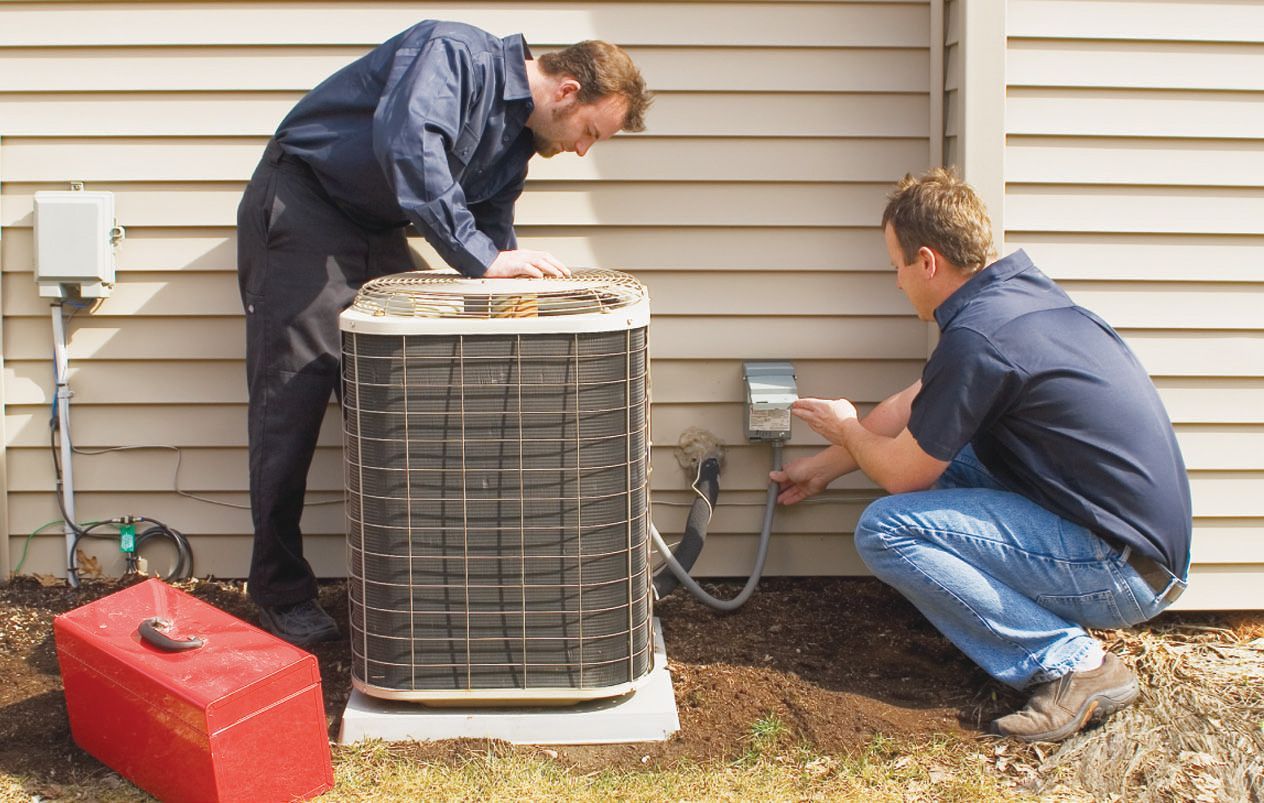
Accurate load calculations go far beyond square footage alone. Factors such as insulation quality, ceiling height, window size, sun exposure, and even the number of occupants all influence heating and cooling demands. Relying on professional measurements rather than estimates ensures the system capacity matches your home's real conditions. Working with an experienced HVAC contractor helps ensure these calculations are done correctly, supporting better comfort, improved efficiency, and longer equipment life.
2. Energy Efficiency Ratings and Monthly Savings
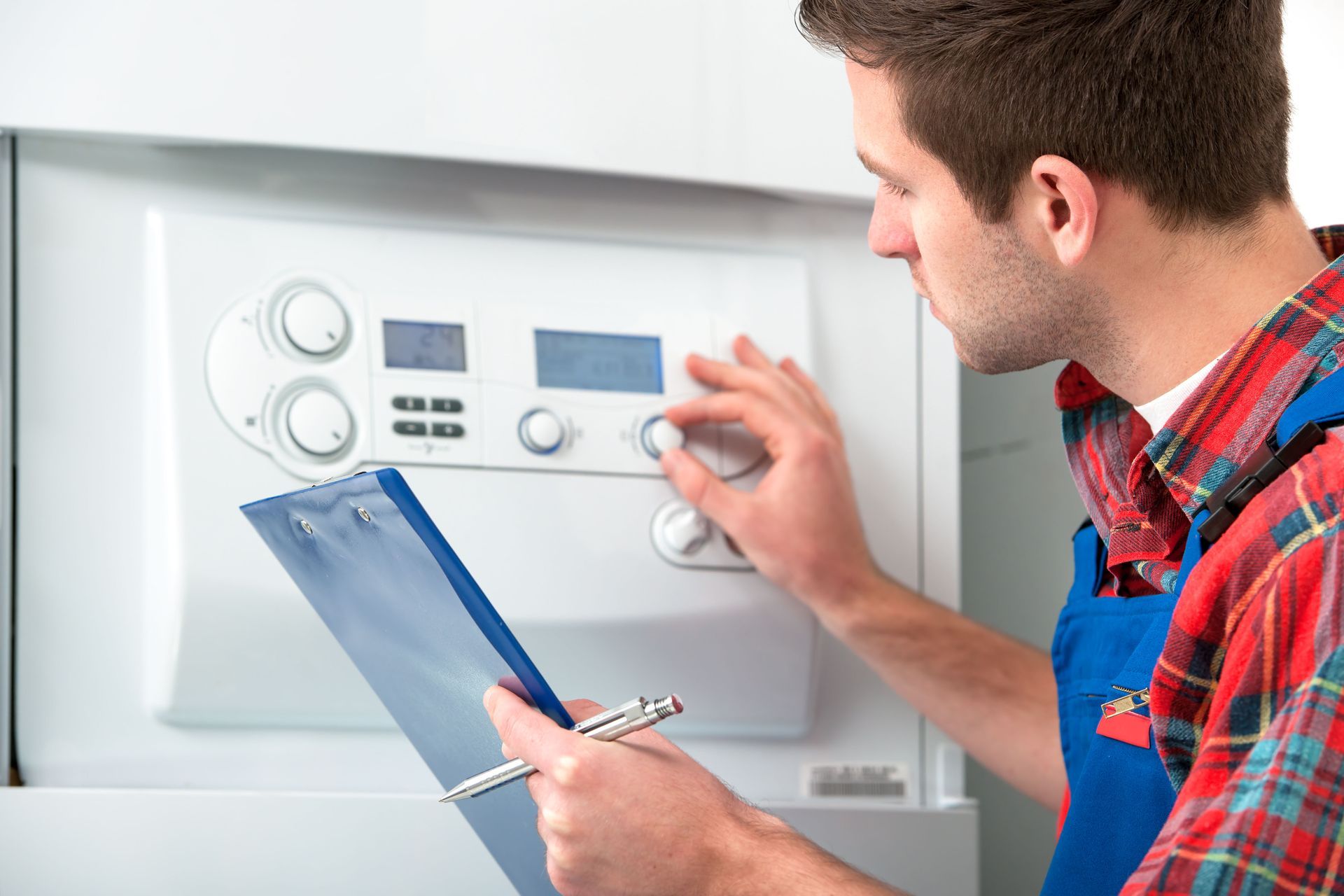
Energy efficiency is another major consideration when choosing an HVAC system. Modern equipment is designed to provide consistent comfort while using less energy than older models. Efficiency ratings like SEER for air conditioners and AFUE for furnaces allow homeowners to compare performance and potential operating costs.
According to Today's Homeowner, upgrading to a new HVAC system can reduce energy bills by approximately 20% to 40%, making efficiency improvements a meaningful investment for many households. While higher-efficiency systems often come with a higher upfront cost, the monthly savings can add up significantly over time. A knowledgeable HVAC contractor can help you understand efficiency ratings, utility incentives, and long-term savings so you can select equipment that balances performance and budget.
3. Home Layout and Air Distribution Needs
Your home's layout has a major impact on how well an HVAC system distributes air. Multi-story homes, open-concept designs, and homes with additions can experience uneven temperatures if airflow is not properly addressed. Poorly designed ductwork may leave some rooms too warm while others remain too cool. Proper planning and consultation with an HVAC contractor can help identify these challenges early and ensure balanced airflow throughout the entire home.
Air distribution solutions such as zoning systems, variable-speed motors, and duct modifications can help correct these issues. Zoning allows different areas of the home to be controlled independently, improving comfort and reducing wasted energy. Consulting with an HVAC company during system selection helps identify airflow challenges early, ensuring conditioned air reaches every part of the home effectively.
4. Climate Conditions and System Features
Local climate plays an important role in determining which HVAC system features make the most sense. Homes in colder regions may require high-efficiency furnaces or hybrid systems that combine electric and gas heating. In warmer climates, advanced cooling performance and humidity control become top priorities. Understanding these regional demands helps homeowners avoid investing in features that offer little benefit while ensuring reliable comfort during extreme seasonal conditions.
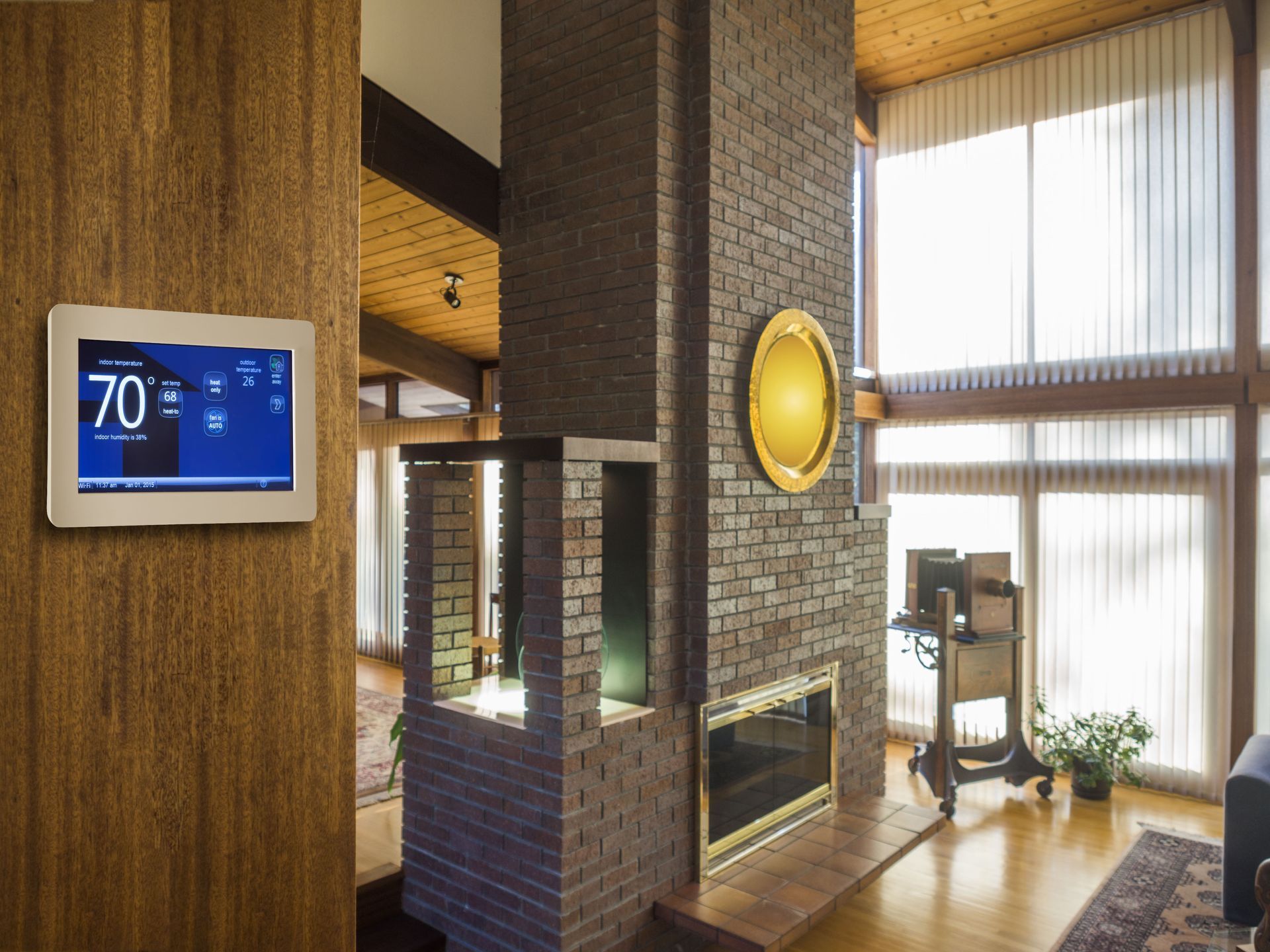
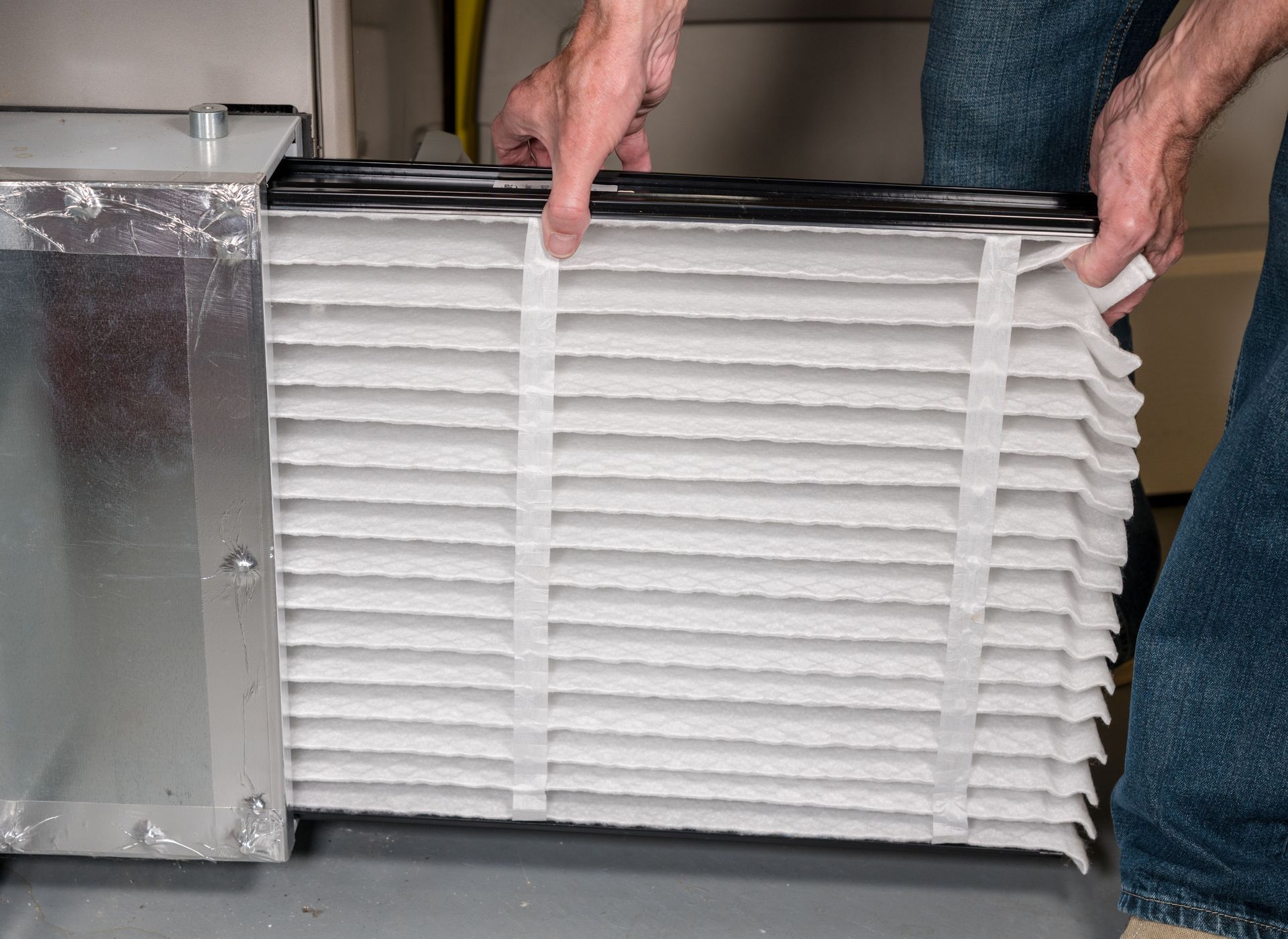
Heat pumps can be an excellent solution in moderate climates where both heating and cooling are needed throughout the year. Additional features such as smart thermostats, air filtration, and humidity management can further enhance comfort and indoor air quality. Choosing features that align with your climate and lifestyle helps ensure the system delivers consistent performance without unnecessary complexity or expense. These considerations also allow homeowners to future-proof their systems as energy standards evolve and household needs change over time.
Choosing the right HVAC system involves more than selecting a brand or price point. Proper sizing, energy efficiency, airflow planning, and climate considerations all contribute to long-term comfort and cost control. Taking the time to evaluate these factors helps homeowners avoid common mistakes and ensures their system performs reliably for years to come. For professional guidance and trusted installation services, contact The Witmer Company to help you select an HVAC solution tailored to your home's size and needs.










Share On: