As autumn temperatures drop, homeowners across the country begin transitioning their indoor environmental controls from cooling to heating modes. Preparing your central heating system before freezing winter weather arrives ensures consistent household comfort, healthy indoor air quality, and manageable monthly power expenditure. According to the Department of Energy, heating a home consumes more energy and costs than any other household system, usually accounting for roughly 29% of your total utility costs. Taking a proactive approach to fall maintenance helps identify hidden mechanical flaws, electrical wear, and hazardous gas venting issues long before severe winter weather sets in. Addressing minor operational inefficiencies early prevents unexpected midnight system failures and protects your family throughout the coldest months of the year. Early autumn inspections give homeowners ample time to schedule routine service without facing emergency winter rates.
Inspecting and Replacing Air Filtration Systems for Optimal Airflow
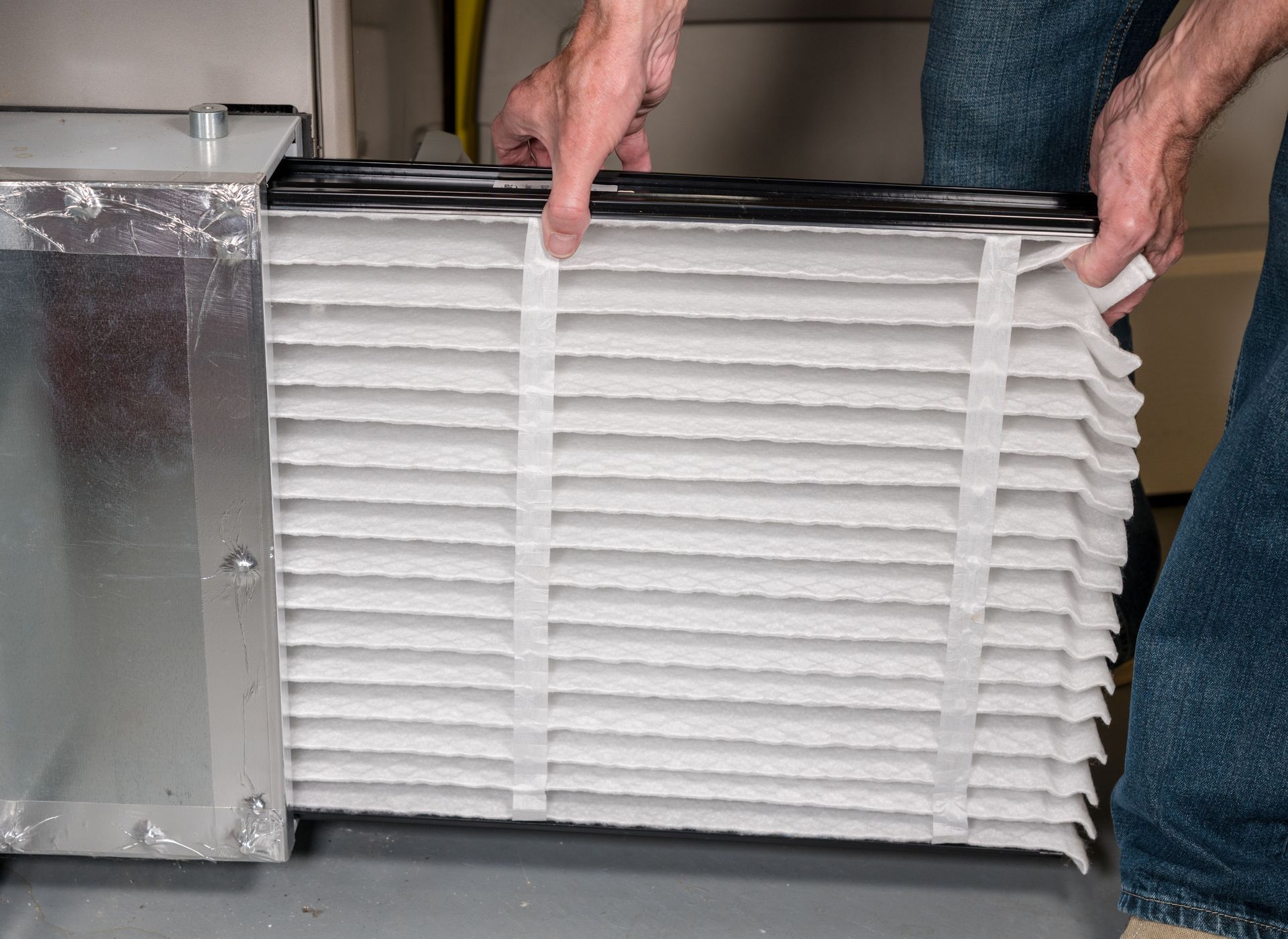
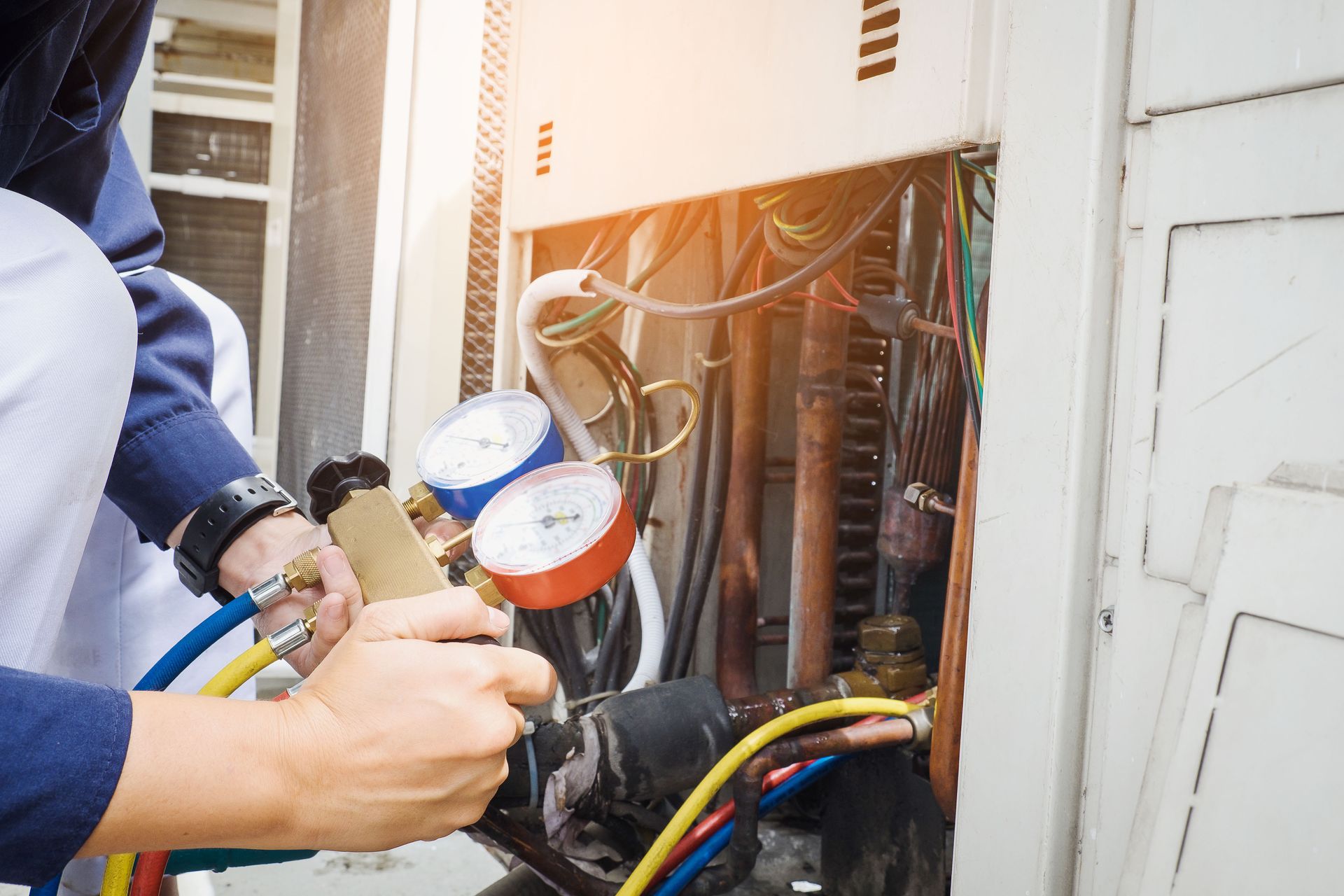
Air filters serve as the primary defensive barrier protecting internal furnace blower motors and heat exchangers from dust, pet dander, and airborne debris. Over months of continuous operation, accumulated particulate matter clogs filter media, severely restricting the return airflow necessary for efficient heat exchange. Restricting airflow forces the heating furnace to run extended, high-temperature cycles that overheat internal components and trigger automatic safety limit switches. Arranging necessary heating repairs clears airflow obstructions and resets safety controls, preventing total heating system shutdowns during winter cold snaps. Installing fresh, high-efficiency MERV filters every fall restores proper airflow, improves indoor air quality, and reduces strain on mechanical blower assemblies. Maintaining clean filtration media keeps energy consumption predictable while protecting delicate furnace components.
Verifying Thermostat Accuracy and Updating Programmable Climate Schedules
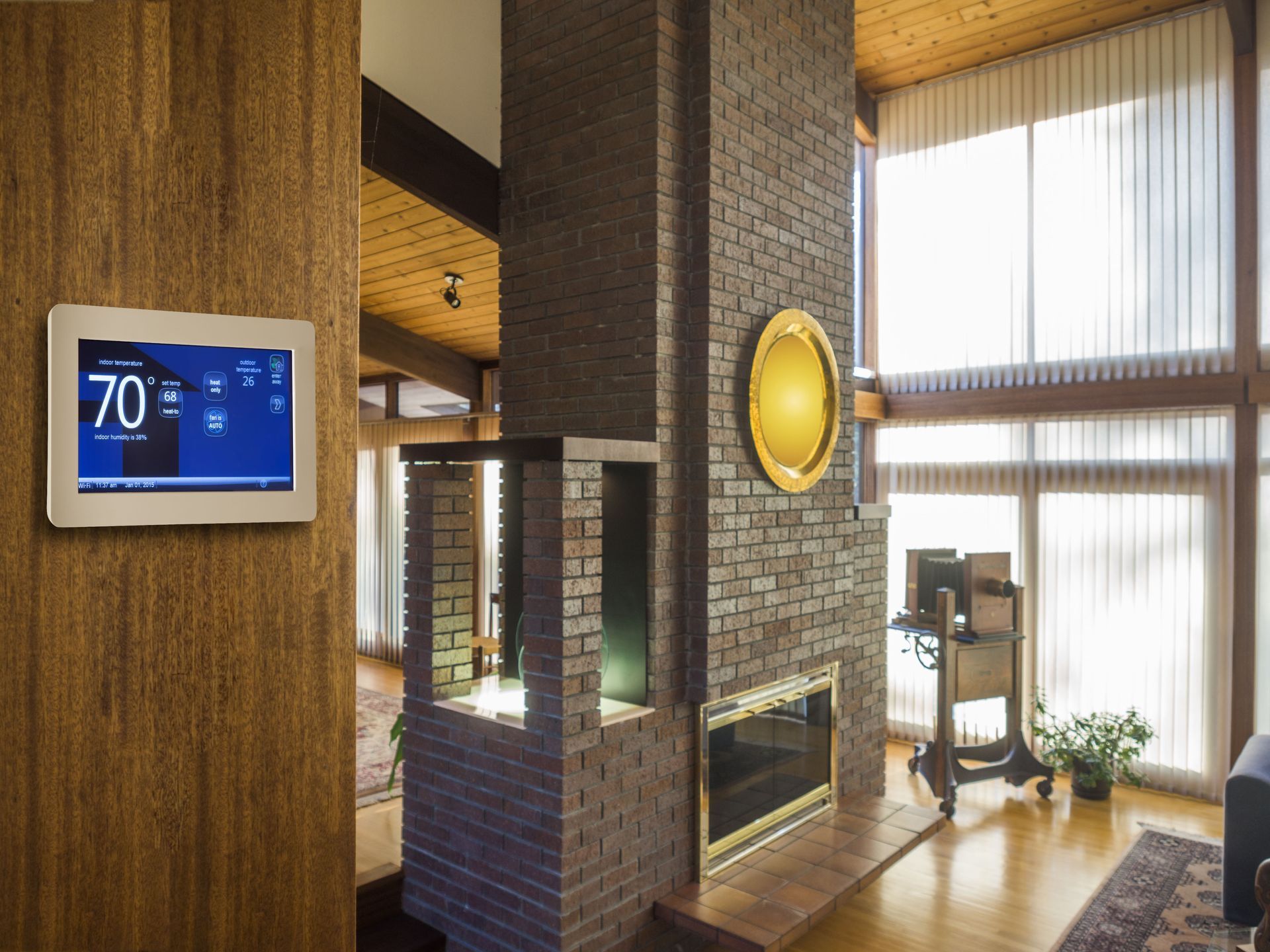
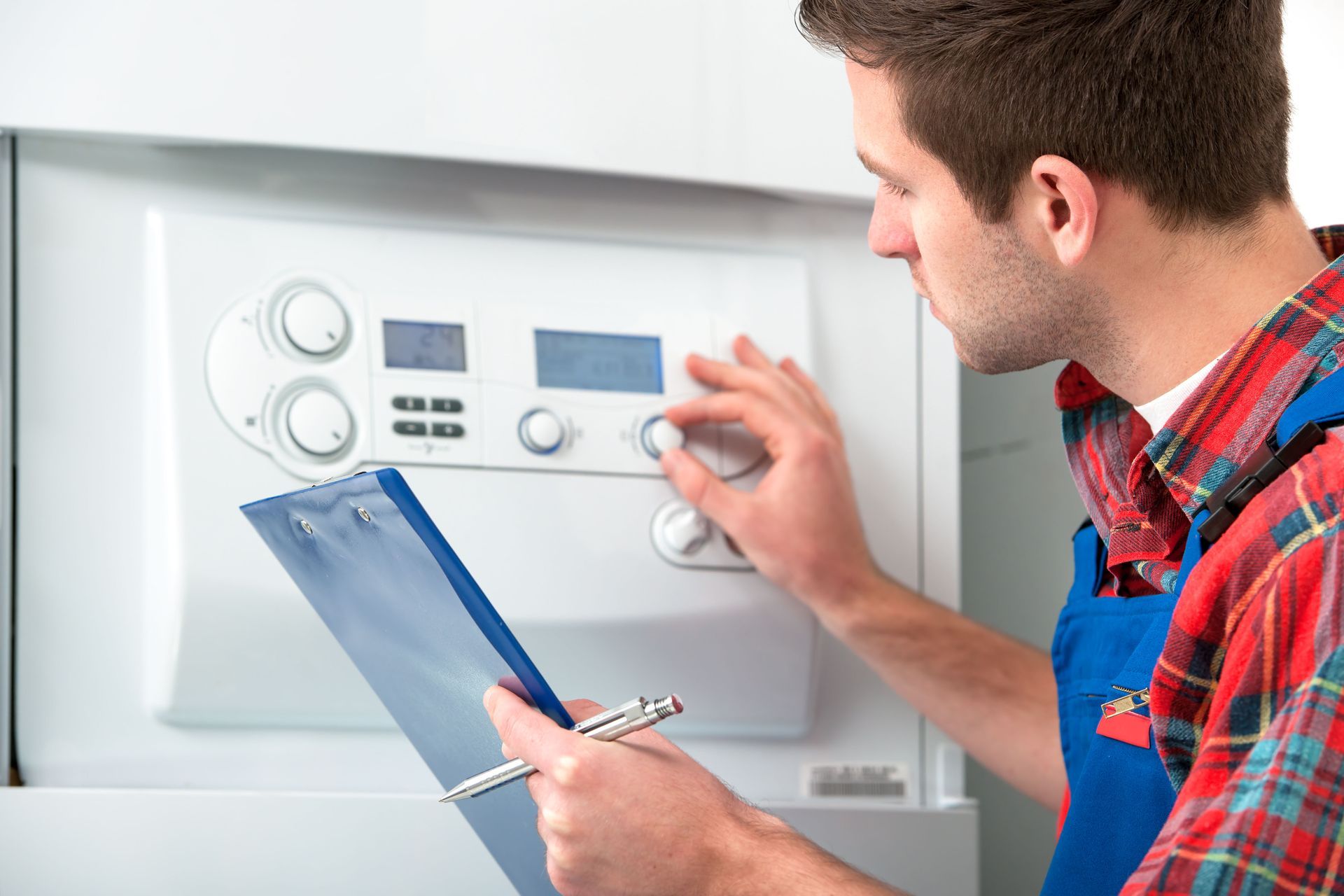
Thermostats act as the central brain of your residential heating system, signaling when equipment should cycle on or off based on ambient room temperatures. Over time, internal temperature sensors collect dust or lose calibration, causing heating units to short-cycle or run continuously without reaching target setpoints. Inspecting thermostat wiring, replacing internal batteries, and verifying sensor calibration ensures accurate temperature readings across all living spaces. Homeowners should also update programmable or smart thermostat schedules to reflect autumn household routines and cooler nighttime settings. If your thermostat fails to communicate reliably with your furnace, scheduling targeted heating repairs fixes faulty wiring connections and restores precise digital climate control. Calibrating digital thermostats ensures your home maintains stable temperatures without wasting fuel or electricity. Upgrading to a modern smart thermostat allows property owners to monitor and adjust indoor temperatures remotely for maximum seasonal efficiency.
Examining Gas Burner Assemblies and Ignition Control Systems
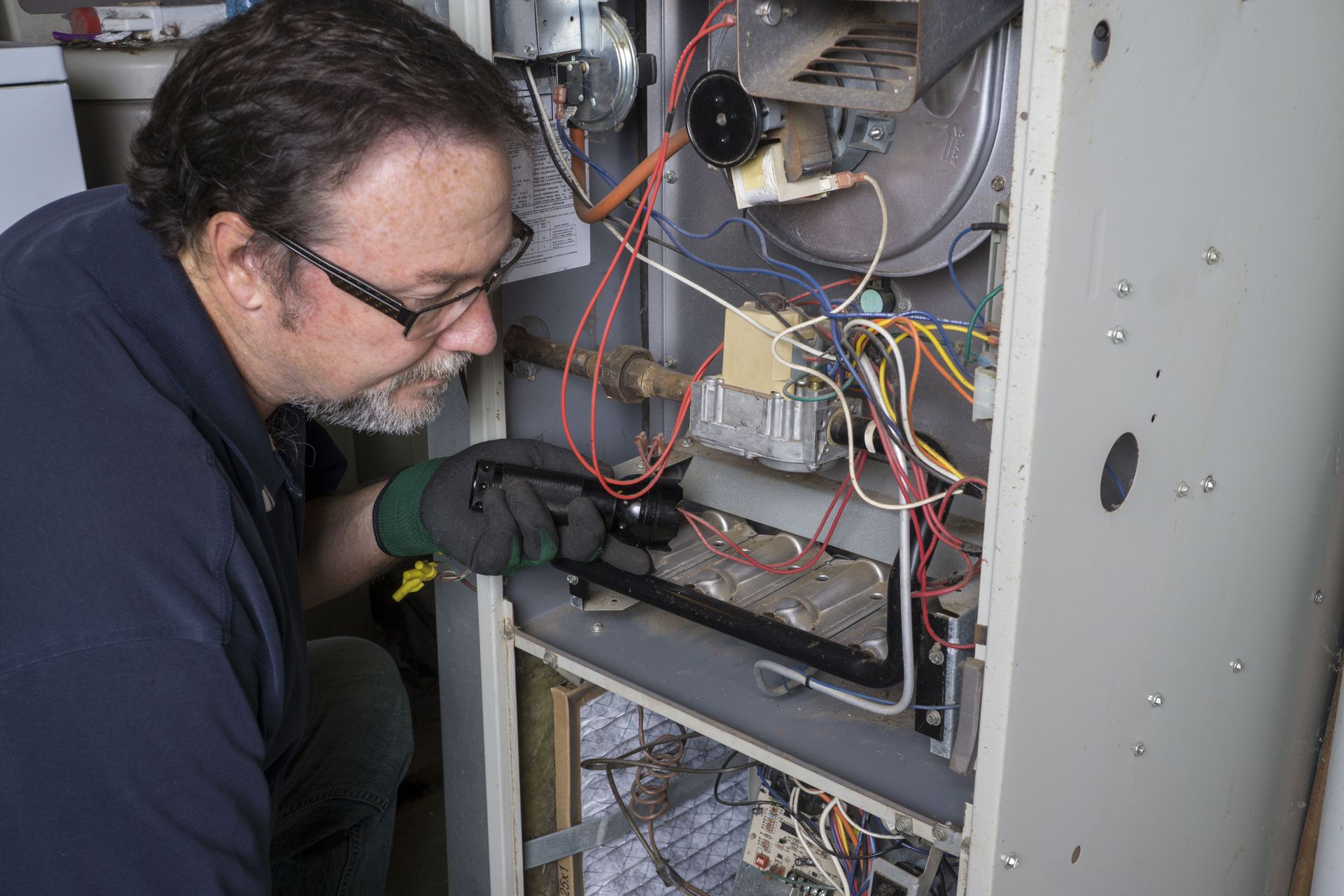
Gas-fired furnaces rely on clean burner assemblies and reliable electronic igniters to combust natural gas or propane safely and efficiently. Over time, soot, rust flakes, and carbon deposits accumulate on burner orifices and flame sensors, leading to delayed ignition or unexpected burner lockouts. A dirty flame sensor fails to detect the presence of a flame, causing the control board to shut off the gas valve prematurely as a safety precaution. Scheduling professional heating repairs cleans carbon build-up off flame rods, adjusts gas pressure regulators, and aligns spark igniters for smooth burner ignition. Maintaining pristine burner assemblies ensures complete fuel combustion, eliminates unpleasant gas odors, and prevents dangerous raw fuel accumulation inside combustion chambers. Clean burner mechanics ensure reliable fuel combustion every time your thermostat calls for heat. Routine burner adjustments prevent harmful soot build-up from damaging internal heat transfer surfaces.
Auditing Heat Exchanger Integrity and Carbon Monoxide Safety Controls
The heat exchanger is the most critical structural component inside a fuel-burning furnace, separating dangerous combustion gases from the air circulating through your living spaces. Continuous thermal expansion and contraction over years of operation can cause metal fatigue, resulting in microscopic cracks along heat exchanger seams. Cracks in the heat exchanger allow toxic carbon monoxide gas to mix directly with supply air, creating a severe health hazard for household occupants. Professional technicians perform thorough visual and camera inspections during autumn tune-ups to verify heat exchanger integrity before furnace startup. Discovering structural cracking requires immediate heating repairs or full heat exchanger replacement to eliminate deadly gas exposure risks. Rigorous heat exchanger safety checks protect your family against toxic carbon monoxide leaks throughout the winter.
Testing Blower Motor Performance and Inspecting Fan Belt Tension
The blower assembly is responsible for drawing cold air from return vents, pushing it across the heat exchanger, and distributing warm air into every room. Blower fan blades collect heavy dust layers over time, unbalancing the wheel and placing excessive friction load on motor bearings. Furthermore, belt-driven blower systems experience belt stretching, cracking, and misalignment that cause loud squealing noises and reduced air volume delivery. Requesting professional heating repairs lubricates dry motor bearings, adjusts belt tension, and balances fan wheels for whisper-quiet, high-volume operation. Ensuring smooth blower motor performance maximizes warm air delivery across all living areas while minimizing electrical power draw. Smooth blower motor operation delivers steady, quiet heat to every corner of your home. Properly lubricated motor bearings extend overall component lifespan and prevent premature mechanical motor burnout.
Inspecting Flue Venting Structures and Chimney Draft Performance
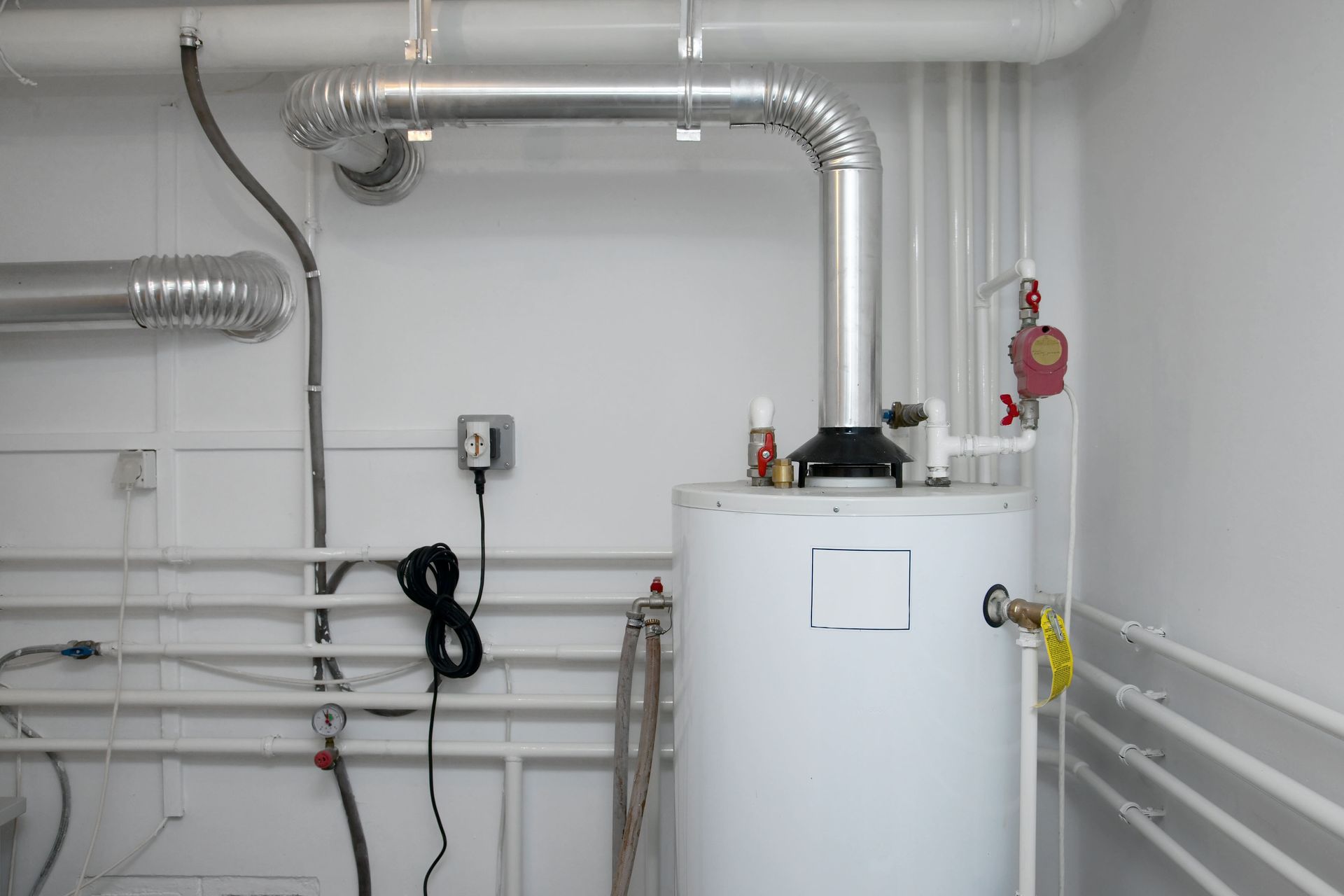
Fuel-burning heating appliances require clear, unobstructed exhaust flues to vent combustion byproducts, including moisture and carbon monoxide, safely outside your home. During summer months, birds, squirrels, and insects frequently build nests inside exterior chimney caps or PVC vent terminations, completely blocking exhaust passages. Operating a furnace with a blocked flue triggers safety pressure switches that shut down the unit immediately to prevent exhaust gas backup. Qualified technicians conducting heating repairs clear animal nests, repair rusted metal flue pipes, and seal loose vent joints to guarantee proper draft pressure. Unobstructed chimney venting ensures toxic exhaust gases escape safely outdoors while keeping heating equipment running without interruption. Clear exhaust pathways ensure hazardous combustion byproducts vent safely away from your residential living space. Verifying tight flue connections prevents dangerous exhaust gases from seeping into living areas.
Clearing Condensate Lines and Evaluating Heat Pump Reversing Valves
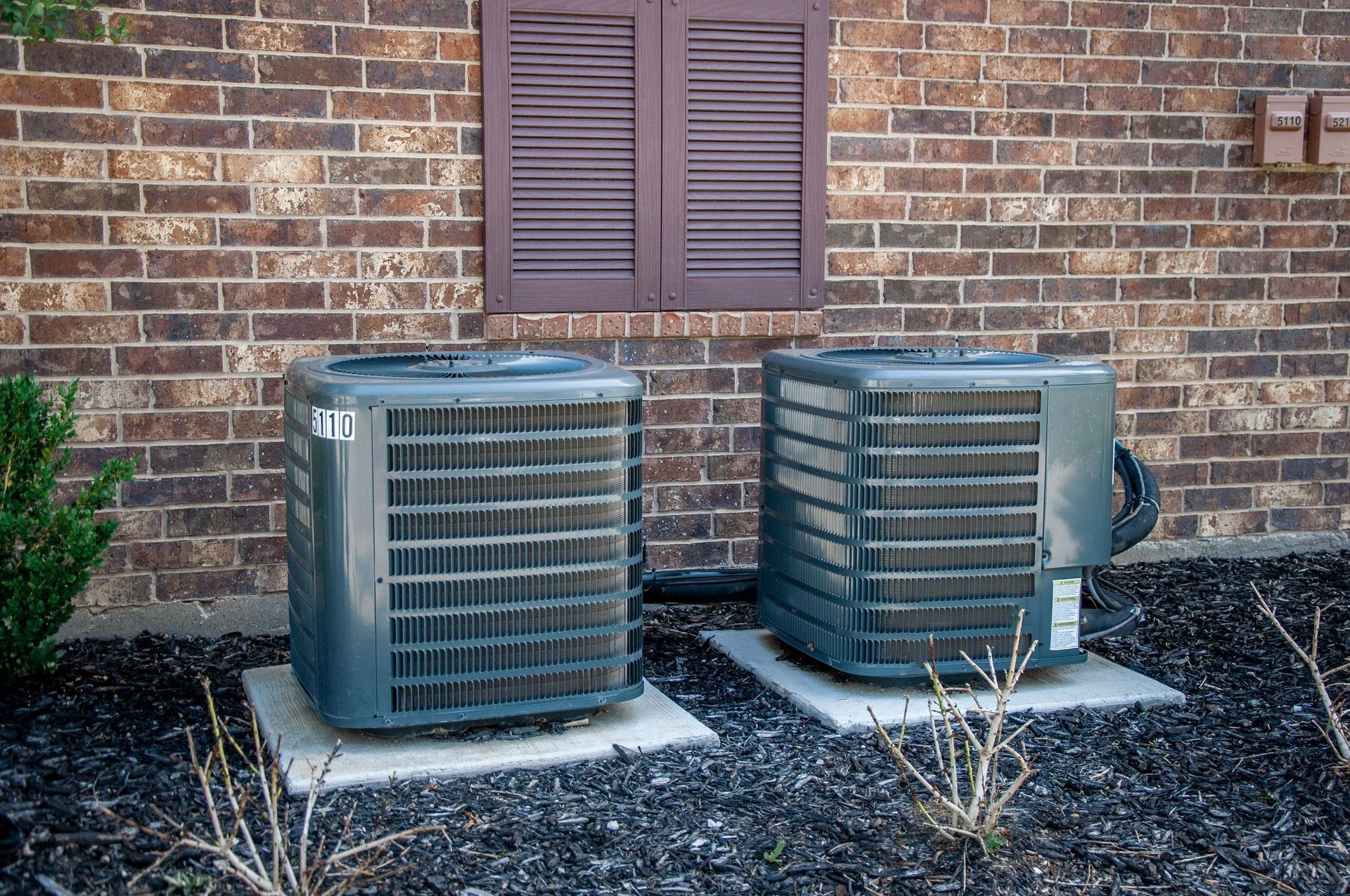
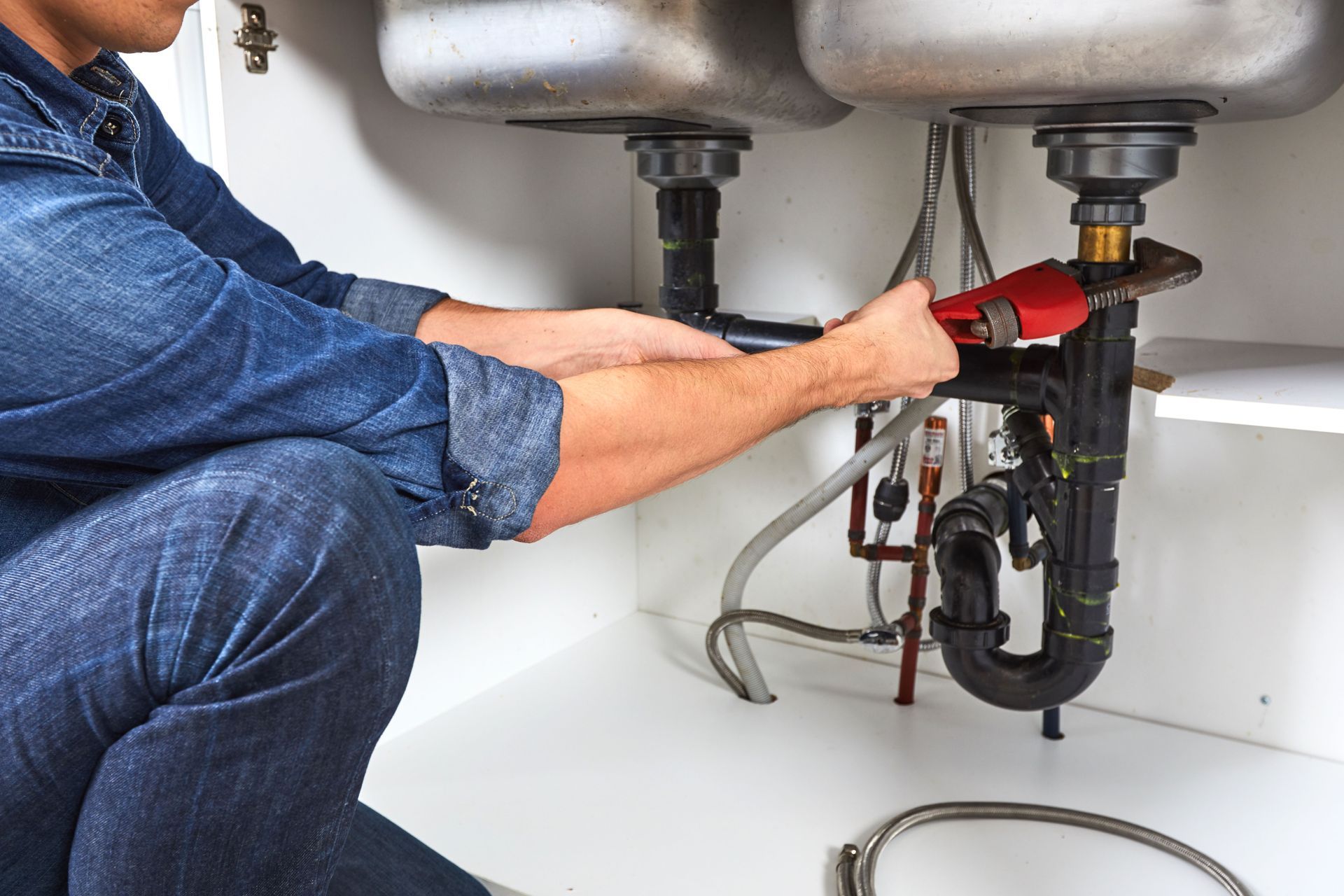
Modern high-efficiency condensing furnaces and air-source heat pumps generate significant liquid condensate during normal winter heating cycles. Condensing furnaces extract latent heat from flue gases, creating acidic wastewater that drains through plastic tubing, while heat pumps collect outdoor frost that requires periodic defrost draining. Clogged drain lines cause water to back up into safety float switches, automatically shutting off the heating system to prevent home water damage. Scheduling routine heating repairs flushes condensate traps, clears algae blockages, and verifies that heat pump reversing valves shift smoothly into heating mode. Maintaining clear drainage infrastructure and functional valving prevents unexpected system shutdowns and keeps your home warm regardless of freezing outdoor conditions. Flushing drainage lines annually stops stagnant water backups from triggering unexpected safety shutdowns.
Completing a comprehensive fall heating inspection offers total peace of mind, knowing your home will remain warm, safe, and energy efficient when winter arrives. Proactive maintenance protects your primary HVAC investment, lowers monthly energy costs, and prevents emergency service calls during freezing holiday weekends. Furthermore, keeping documented service records showing regular heating repairs and seasonal checkups demonstrates excellent property stewardship, preserving your home's long-term resale value. Partnering with experienced HVAC professionals ensures your heating equipment operates at peak performance through every winter storm. Taking time for autumn system preparation safeguards your family budget while delivering uninterrupted winter warmth. Contact The Witmer Company today to schedule your comprehensive fall heating inspection and secure reliable comfort for the cold months ahead.







Share On: