Heating, Ventilation, and Air Conditioning (HVAC) systems are a cornerstone of modern home comfort. They regulate temperature, ensure proper ventilation, and maintain indoor air quality, making life within the home more comfortable and healthy. Consistent professional HVAC Service is crucial for optimal operation, impacting not only daily comfort but also overall energy efficiency and long-term cost savings. Understanding the benefits of a well-maintained system enables homeowners to make informed decisions about their seasonal maintenance schedules, protecting their investment while supporting environmental sustainability.
Managing System Components for Optimal Performance
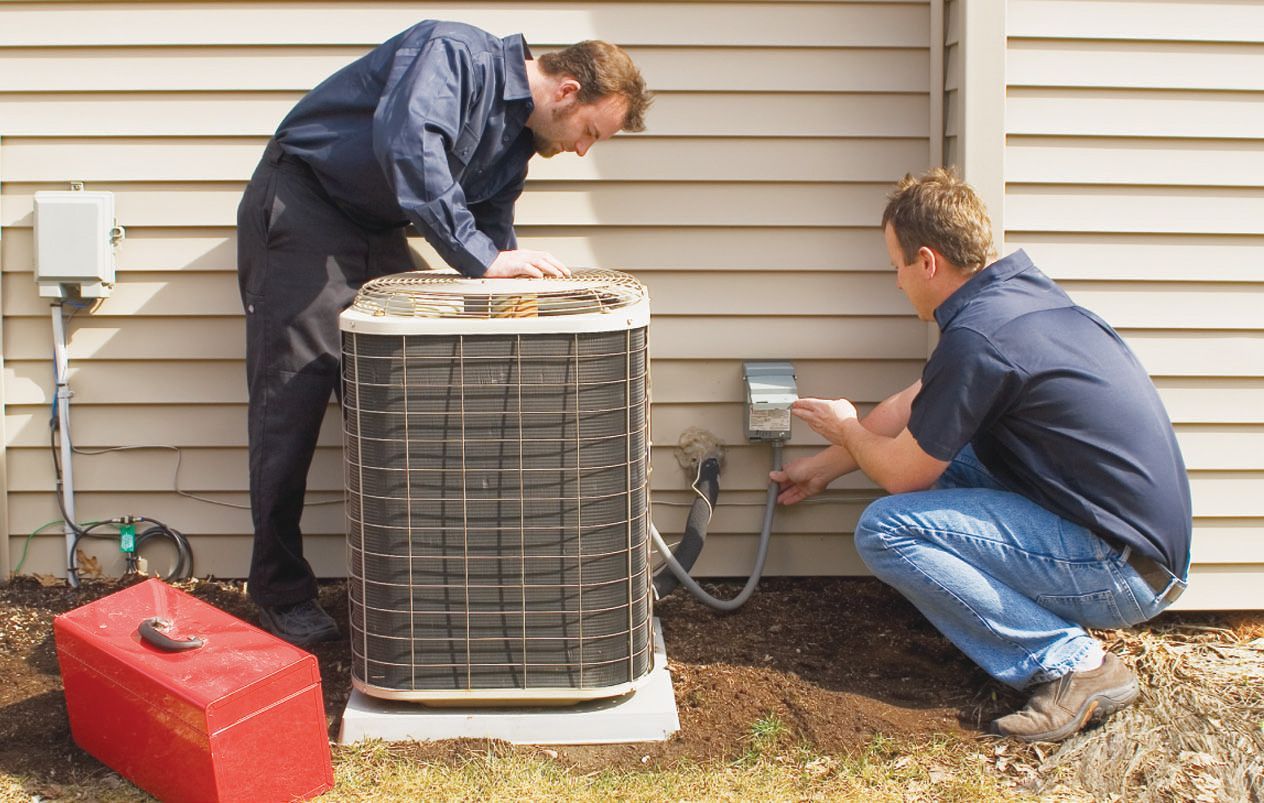
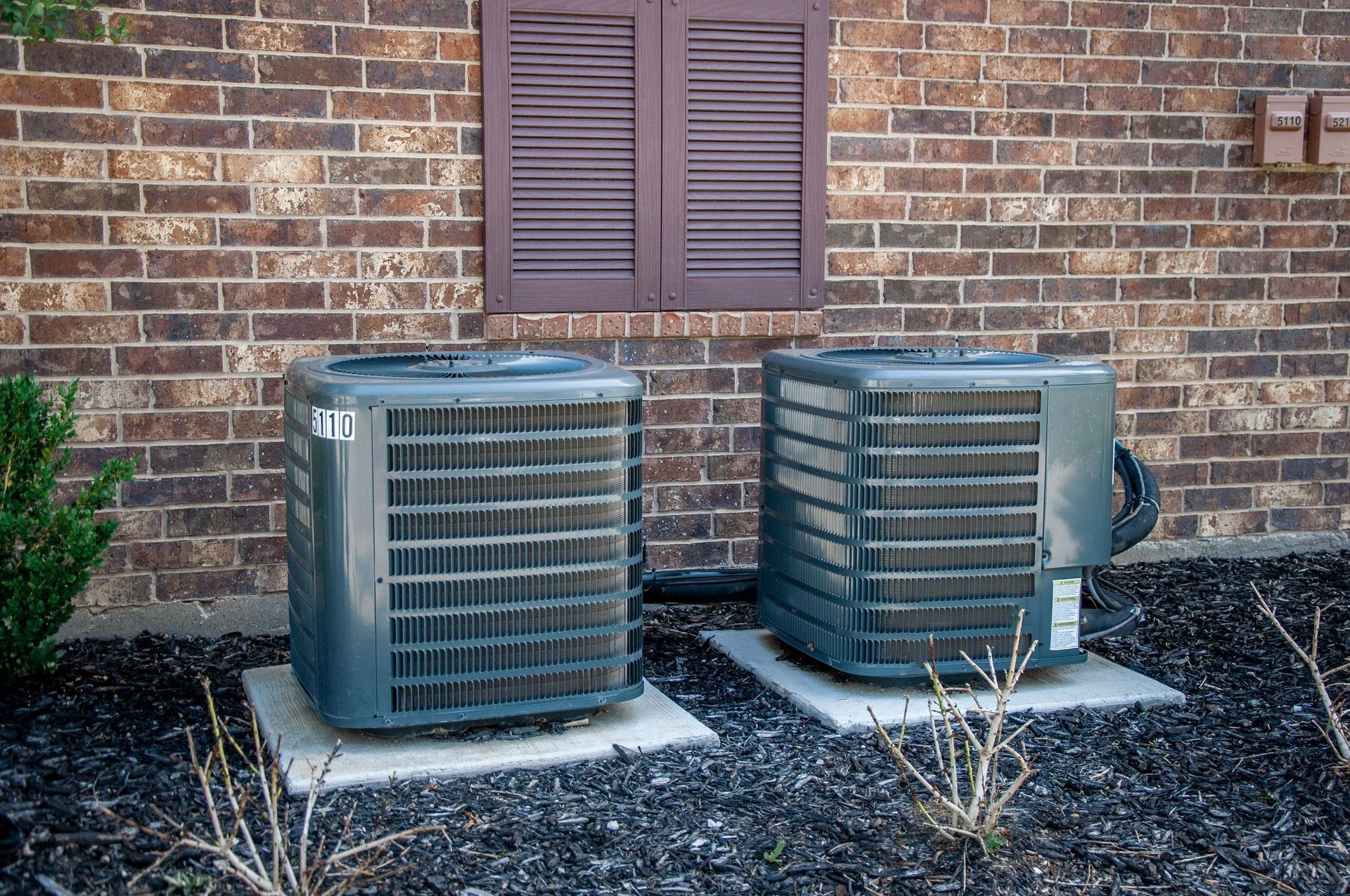
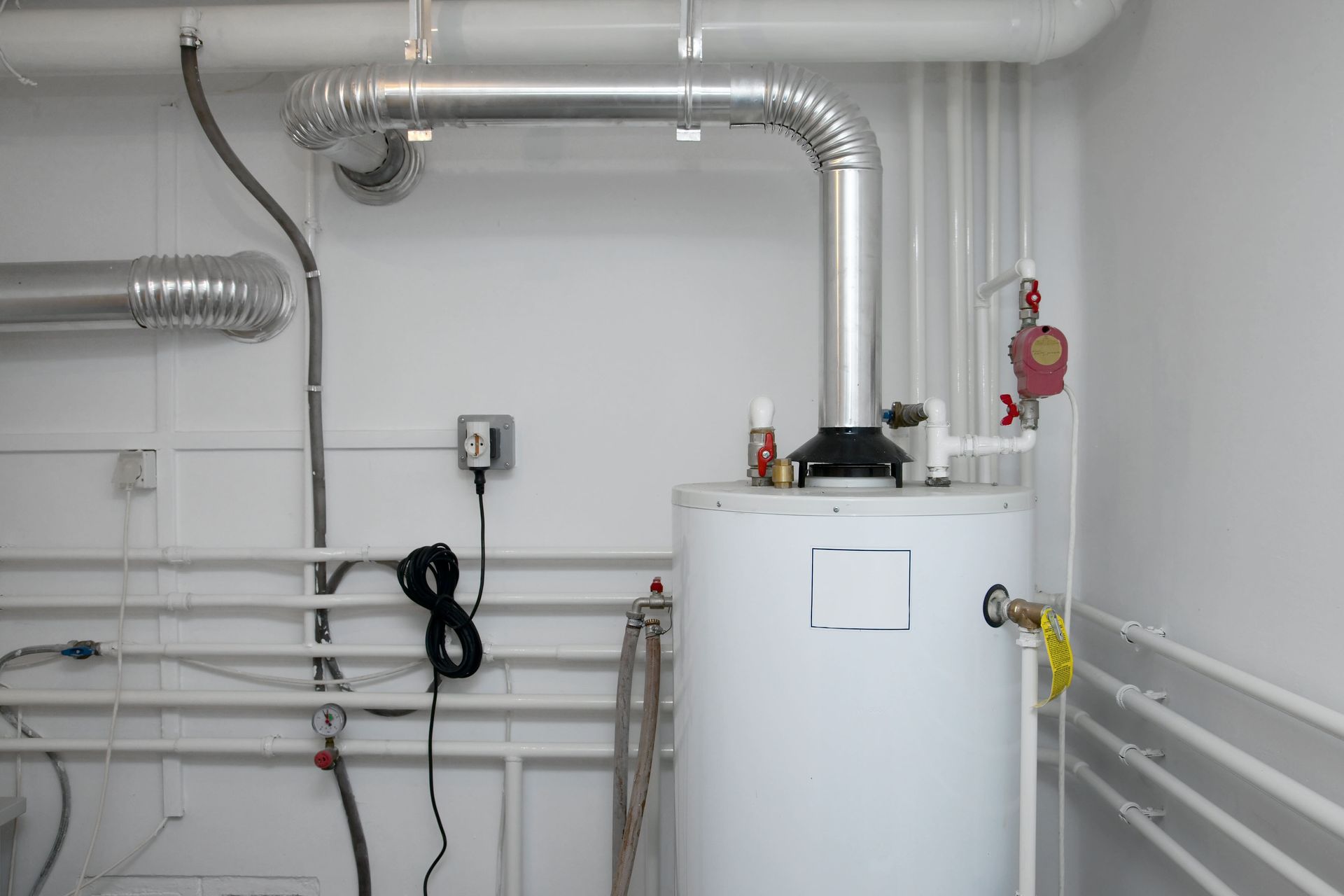
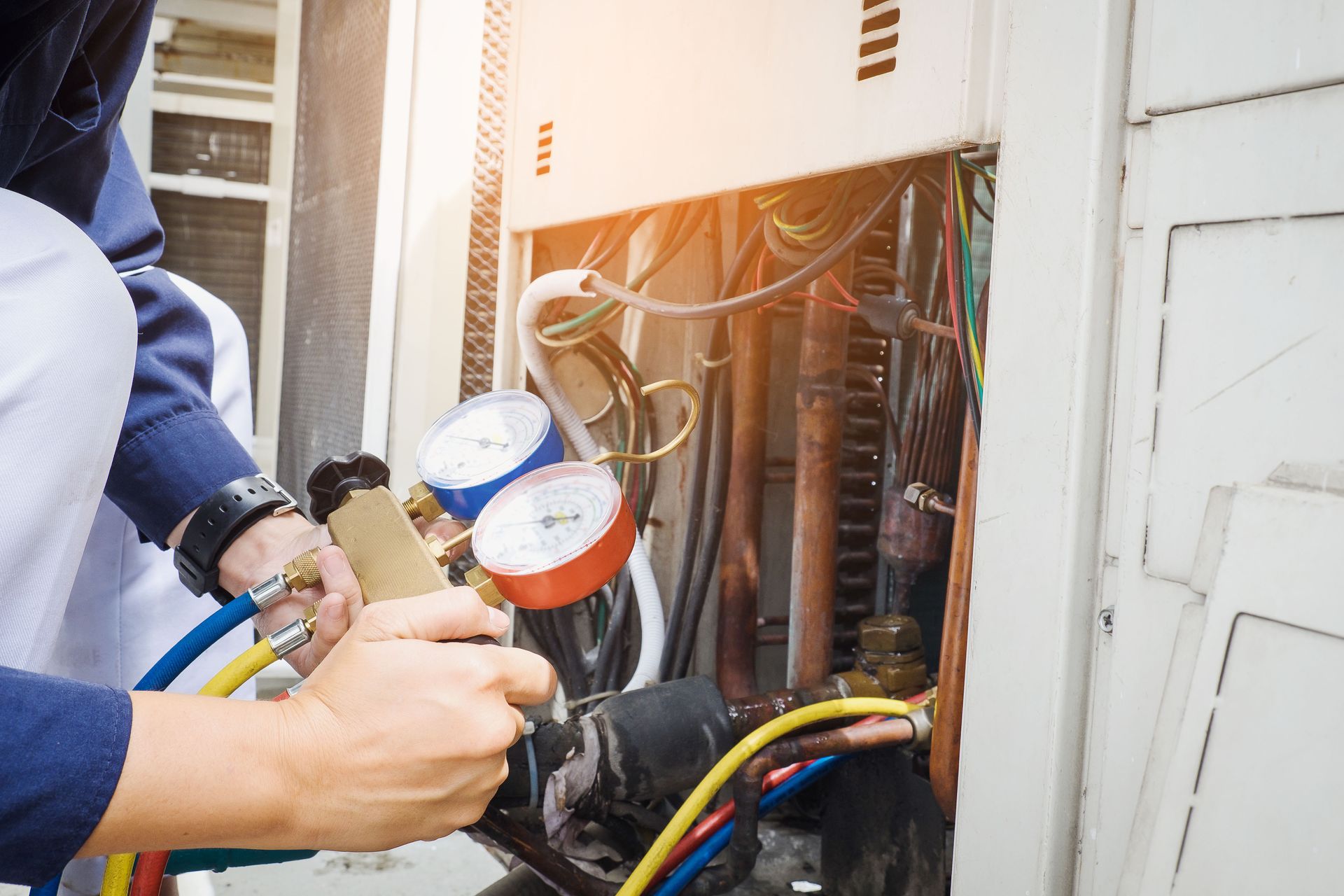
HVAC systems consist of several key components that work in unison to heat, cool, and ventilate indoor spaces. Main elements include the furnace for heating, the air conditioning unit for cooling, ductwork for air distribution, and a thermostat for precise system regulation. When operating effectively, these components adjust home temperatures smoothly, filter airborne pollutants, and maintain appropriate indoor humidity levels with minimal energy draw. Comprehensive routine check-ups by a qualified technician ensure that all moving parts stay properly lubricated, electrical connections remain secure, and system efficiency stays high throughout the year.
In contrast, neglected systems develop significant operational inefficiencies over time. Common issues like clogged air filters, leaky ductwork, and worn-out mechanical parts force the system to work much harder to achieve target temperatures. This strain results in uneven temperature regulation, higher monthly energy bills, and increased wear on critical hardware. By prioritizing routine HVAC Service, homeowners can prevent minor component issues from escalating into major system breakdowns, thereby extending the overall operational life of their heating and cooling equipment.
Furthermore, maintaining proper airflow dynamics is critical for avoiding thermal stress on internal heat exchangers and cooling coils. When airflow becomes restricted due to dirty components or unmaintained duct systems, critical sensors can overheat, leading to unexpected safety shutdowns during peak seasonal usage. Scheduled checks allow professionals to balance air dampers, evaluate electrical draw on blower motors, and calibrate controls, ensuring every part operates safely within manufacturer specifications while keeping energy consumption predictable across every room. Periodic system re-balancing also resolves lingering cold or hot spots throughout multi-story layouts, ensuring balanced temperature distribution regardless of outside weather conditions.
Enhancing Indoor Air Quality and Comfort
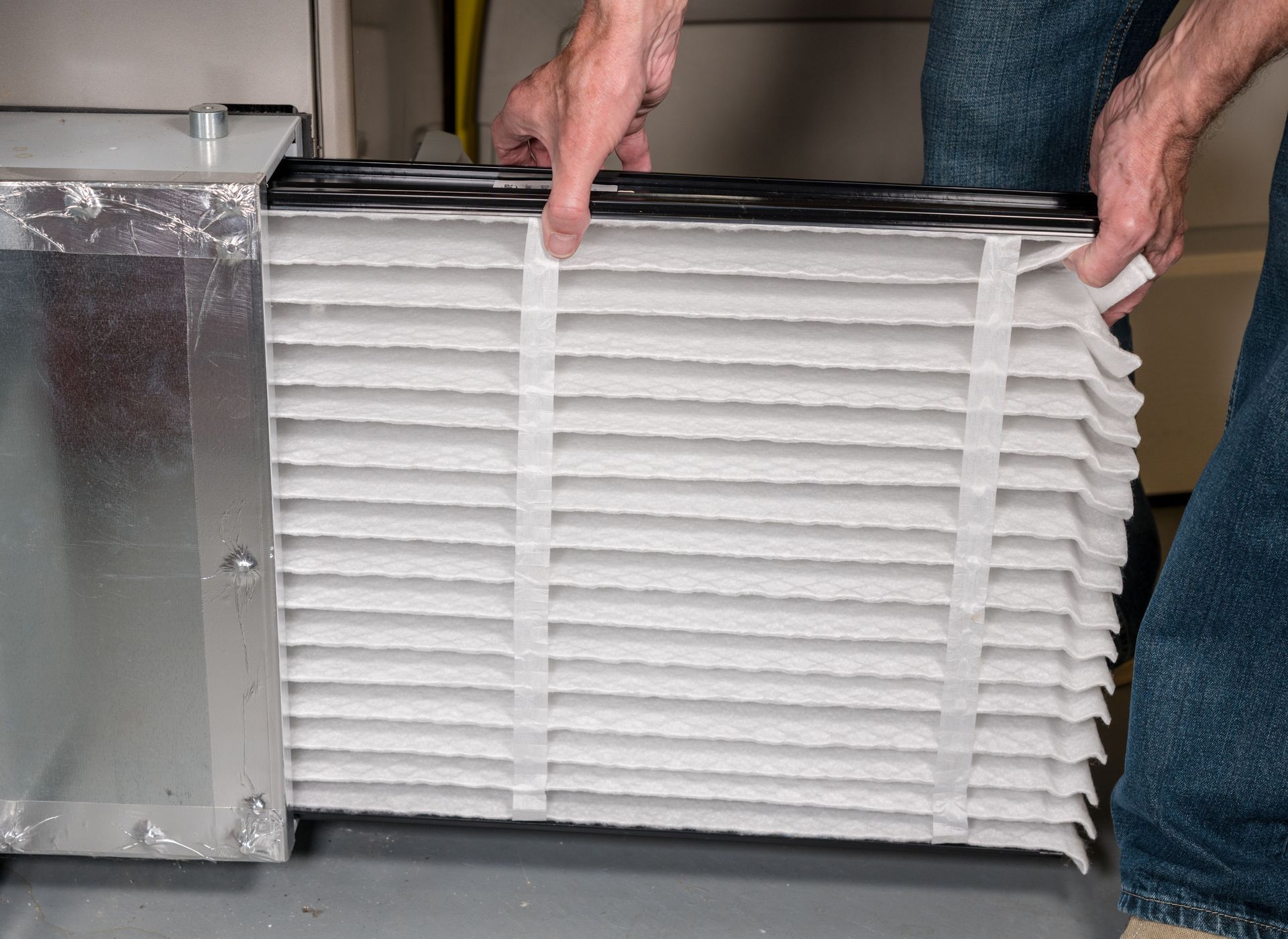
A primary benefit of regular maintenance is the consistent control of indoor air quality and temperature. High-efficiency filters capture dust, pollen, pet dander, and other airborne particles before they circulate through the home. Clean filters not only protect living spaces from allergens but also prevent debris from settling on sensitive internal components, maintaining proper airflow and preventing premature mechanical stress.
Furthermore, well-serviced heating and cooling units play an essential role in regulating indoor humidity. Proper moisture management reduces the risk of mold growth, protects wooden structural elements, and prevents the dry air issues that often trigger respiratory discomfort. According to Today's Homeowner, new HVAC units can cut energy bills by 20% to 40%. Investing in reliable HVAC Service ensures these air quality and humidity controls operate at peak effectiveness, directly contributing to a healthier and more comfortable home environment for residents.
In addition to particle filtration, routine maintenance includes cleaning the evaporator coils and condensate drain lines where moisture continuously gathers. Stagnant water and biological buildup in drain pans can cause unpleasant odors to spread throughout the household air duct system. Regular clearing of condensate lines prevents water overflow damage to surrounding drywall and flooring, while specialized cleaning treatments keep air distribution channels fresh, sanitized, and operating effectively. This comprehensive care substantially lowers airborne irritants, helping household members with lingering allergies or sinus sensitivities breathe easier year-round.
Reducing Utility Costs Through Efficiency
System age, equipment design, installation quality, and overall maintenance heavily influence household energy consumption. A direct correlation exists between proactive maintenance and lower operational costs. When internal components are kept clean and aligned, the system draws less power or fuel to reach set temperatures. This optimized performance protects homeowners from unexpected utility price spikes during peak winter and summer seasons.
Comparing short-term maintenance costs with long-term energy usage highlights the financial benefit of regular care. While routine check-ups require a small recurring investment, they prevent emergency repairs and delay the major capital expense of full equipment replacement. High-efficiency system adjustments help households maintain manageable utility bills while supporting overall energy conservation goals.
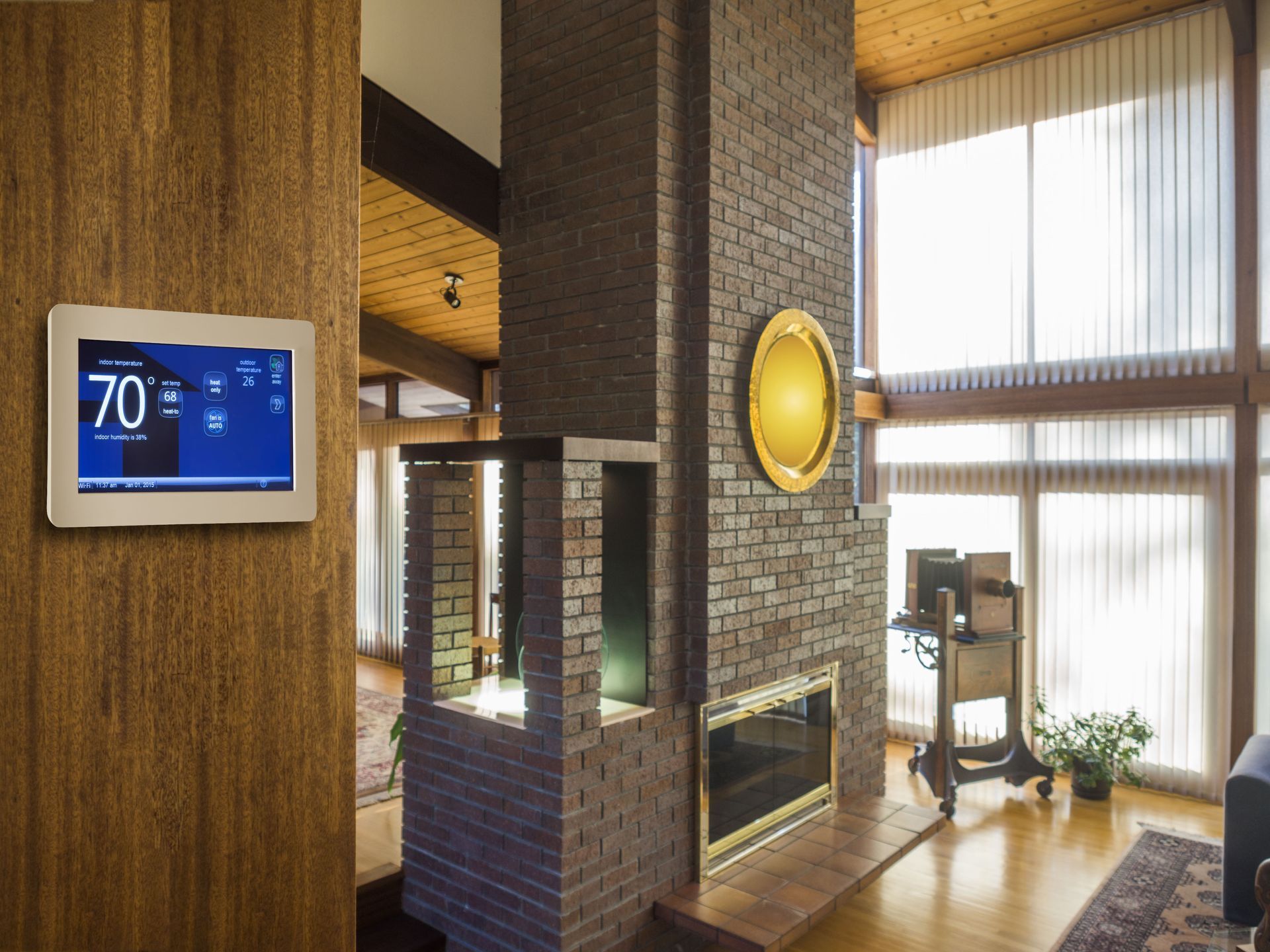
Beyond immediate energy savings, properly maintained systems preserve electrical and mechanical harmony, preventing power surges and erratic voltage draws that can damage sensitive modern circuit boards. Calibrating smart thermostats alongside heating and cooling hardware guarantees precise temperature scheduling, avoiding waste when occupants are away. Taking a preventive approach protects monthly household budgets against compounding utility expenses caused by gradual, undetected performance drops, ensuring optimal return on every dollar spent powering the unit. Homeowners who maintain tight efficiency standards can also leverage lower energy profiles to boost their overall property appraisal values during future home sales.
Promoting Equipment Longevity and Durability
With proper care, a residential heating and cooling system can achieve an expected lifespan of 15 to 20 years. Continuous operation without routine servicing leads to severe mechanical friction, overheating, and component fatigue. Replacing worn belts, filters, and electrical parts before they fail preserves system balance and prevents sudden catastrophic equipment failure during extreme weather conditions.
Homeowners should remain attentive to signs that a system is approaching the end of its functional life. Warning indicators include unusual clanking or buzzing noises, persistent temperature discrepancies, unexplainable surges in monthly bills, and frequent repair needs. When equipment near the end of its service life can no longer maintain efficient operation, scheduling a professional HVAC Service assessment helps homeowners plan proactively for a modern, high-efficiency replacement without experiencing unexpected downtime.
Proactive care also protects manufacturer warranty coverage, which often requires documented professional maintenance over the life of the unit. Failing to perform periodic inspections can invalidate valuable component guarantees, leaving homeowners responsible for the full cost of major repairs like compressor or heat exchanger failures. Establishing a consistent maintenance record protects this investment, ensures full warranty coverage, and guarantees fast support when component replacements become necessary over time. Keeping detailed logs of professional visits provides additional leverage and trust during negotiations when putting a property on the market.
Supporting Environmental Sustainability and Conservation
Because heating and cooling account for a large portion of residential energy use, improving system efficiency directly reduces a home's carbon footprint. Utilizing eco-friendly technologies, such as variable-speed heat pumps and smart programmable thermostats, allows households to optimize energy usage based on daily occupancy patterns. Keeping system components operating without restriction minimizes unnecessary power draw during peak demand hours, relieving pressure on the broader electrical grid.
Modern eco-friendly refrigerants and advanced motor designs also significantly reduce the environmental impact associated with traditional residential heating and cooling practices. By integrating intelligent zoning controls, systems direct conditioned air only to occupied areas of the home, eliminating wasteful output in unused spaces and preserving valuable energy resources daily. Reducing household resource consumption minimizes localized greenhouse gas emissions and fosters cleaner neighborhood air quality for generations to come.
Government regulations and energy efficiency standards continue to encourage the adoption of environmentally responsible HVAC technology. Adhering to these standards through consistent HVAC Service allows homeowners to take advantage of available energy rebates while lowering overall environmental impact. Strategic maintenance and modern updates ensure high performance, reliable home comfort, and long-term sustainability. For more information about the services that we offer, reach out to our incredible team at The Witmer Company today!








Share On: