
A sudden loss of indoor climate control during the coldest hours of the night can quickly transform a peaceful evening into an urgent crisis. When freezing winds blow outside and the ambient temperature indoors begins to decline sharply, household comfort drops and structural vulnerabilities arise. Property owners often experience immediate stress when vents push cold air or fall silent altogether. Understanding how to handle such an urgent disruption ensures that you protect both your family and your property from adverse cold weather conditions. Navigating this scenario requires a calm, systematic response centered around personal safety, thermal preservation, and timely dispatching of professional support.
The primary objective during an after-hours climate failure is securing specialized assistance before ambient temperatures fall to unsafe levels. Scheduling emergency heating repair services becomes the first vital step in mitigating structural risks such as frozen pipes and restoring dependable warmth to living spaces. Attempting to manage a major mechanical breakdown alone without certified trade expertise can prolong discomfort and jeopardize mechanical integrity. By following a structured approach to record observations, protect household members, and coordinate with professional technicians, you can effectively manage an overnight system failure with minimal disruption.
Assessing the Initial Breakdown
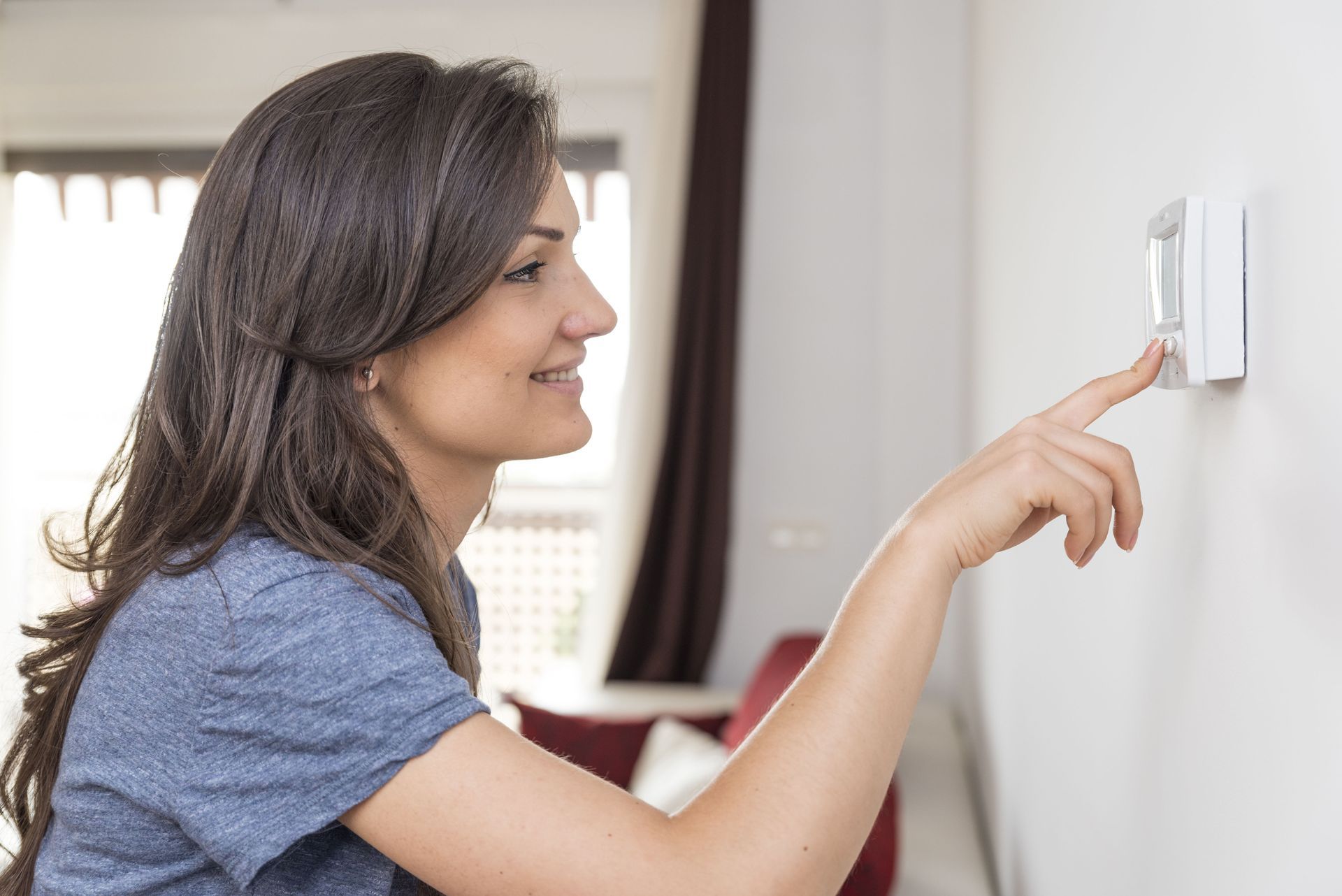
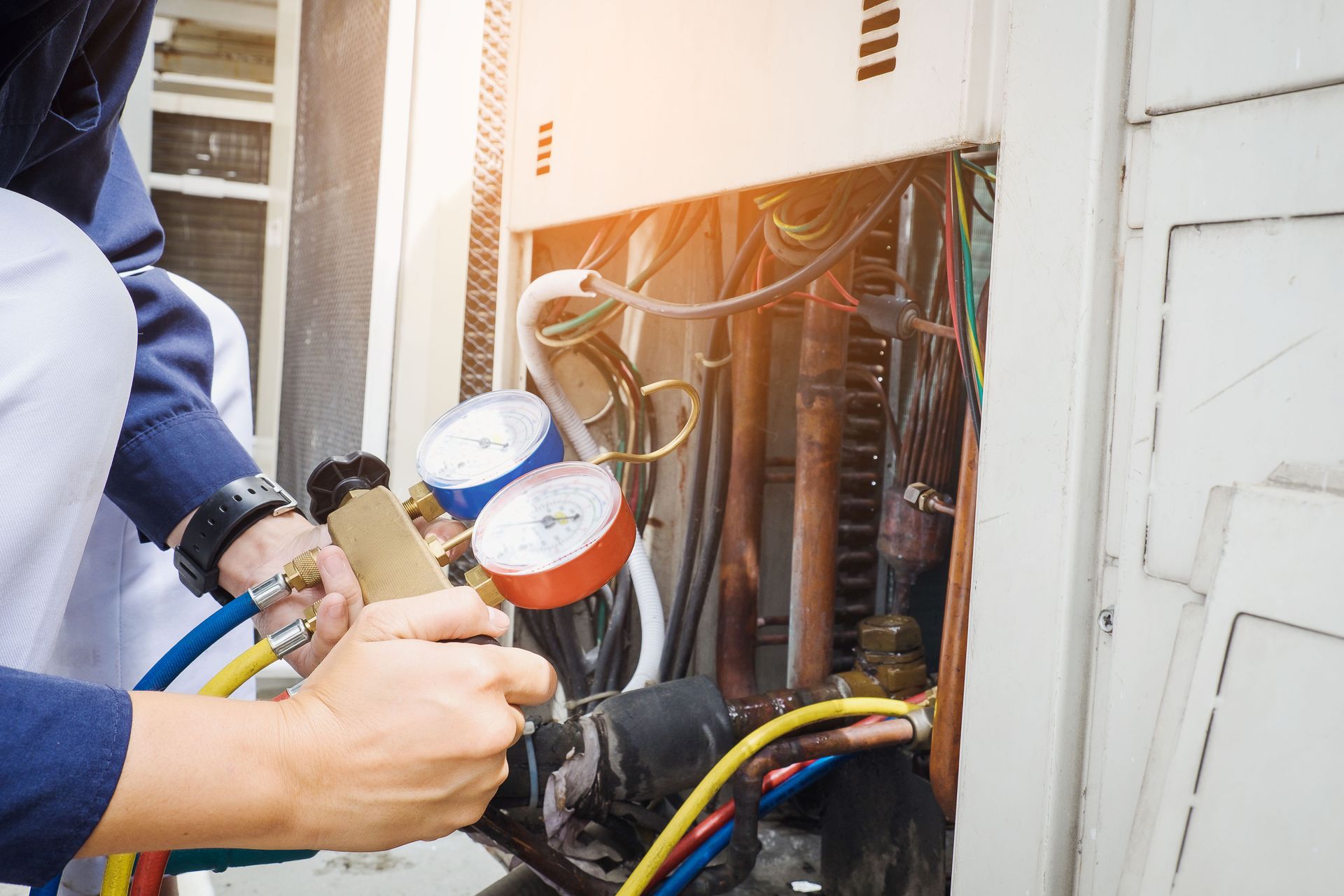
When an HVAC system suddenly stops delivering warm air in the middle of the night, identifying the basic nature of the disruption helps establish clear communication with technicians. Many heating failures stem from electrical disruptions, mechanical wear, fuel delivery issues, or sensor misalignments within the primary equipment. Without attempting to manipulate dangerous internal components, homeowners should carefully observe visible indicators such as digital thermostat error codes, active blower operation, or unusual humming noises. Documenting these specific symptoms provides critical technical context for dispatchers who coordinate overnight heating repair services during peak winter demand periods.
Accurately observing the circumstances surrounding the system failure also involves gathering pertinent equipment documentation before making contact with service personnel. Locate the manufacturer identification plate, model numbers, approximate installation dates, and maintenance logs associated with the central unit. Noting whether the issue presented abruptly or was preceded by intermittent cycling, metal rattling, or cool airflow assists the responding team in anticipating necessary equipment. Keeping these observations neatly organized ensures that the intake representative receives precise data, which dramatically streamlines the assessment process and accelerates overall recovery efforts.
Implementing Safe Indoor Thermal Management
Maintaining adequate personal warmth while awaiting the arrival of a technician requires thoughtful, non-mechanical conservation methods. Sealing drafts in windows and doors with weather strips can conserve heat in living areas. According to Modernize, air sealing homes and adding attic insulation together may result in a significant reduction, an average of 15% on heating and cooling costs, equating to around 11% of total energy savings annually. Wearing multiple clothing layers and utilizing thermal blankets helps in conserving body heat. Concentrating family members and domestic pets in a centrally located interior room with closed doors further prevents the rapid dissipation of residual thermal energy.
Safety must remain paramount whenever primary climate equipment goes offline overnight. If space heaters are introduced to provide temporary relief, ensure they are placed on flat, uncarpeted surfaces at least three feet away from bedding, drapes, and furniture. Never leave secondary heating equipment unattended or active while sleeping, and avoid using gas stoves, ovens, or outdoor combustion equipment inside the residence. If you detect any odor of sulfur, escaping gas, or electrical burning, evacuate all occupants immediately and summon emergency responders prior to coordinating heating repair services for mechanical restoration.
Selecting a Reliable Overnight Contractor
Finding an established mechanical contractor capable of delivering immediate overnight solutions requires evaluating licensing, emergency availability, and regional reputation. Not every standard heating business maintains fully equipped mobile units on standby around the clock. When researching candidates, verify that the enterprise holds current municipal licenses, active general liability insurance, and certified technicians experienced in modern high-efficiency systems. Selecting an established contractor for emergency heating repair services guarantees that the responding personnel possess the legitimate credentials and technical diagnostic tools necessary to resolve severe component failures swiftly.
Transparent operational practices and clear billing schedules are equally crucial when selecting a late-night service provider. Inquire directly about after-hours dispatch fees, hourly labor minimums, and parts warranties prior to approving technician deployment. Review independent customer feedback regarding rapid response times, vehicle stock readiness, and clear communication under urgent circumstances. Reputable contractors provide clear cost expectations upfront, preventing unexpected charges and ensuring that their technical team arrives prepared to address the breakdown efficiently without unnecessary procedural delays.
Preparing the Property for Technician Arrival
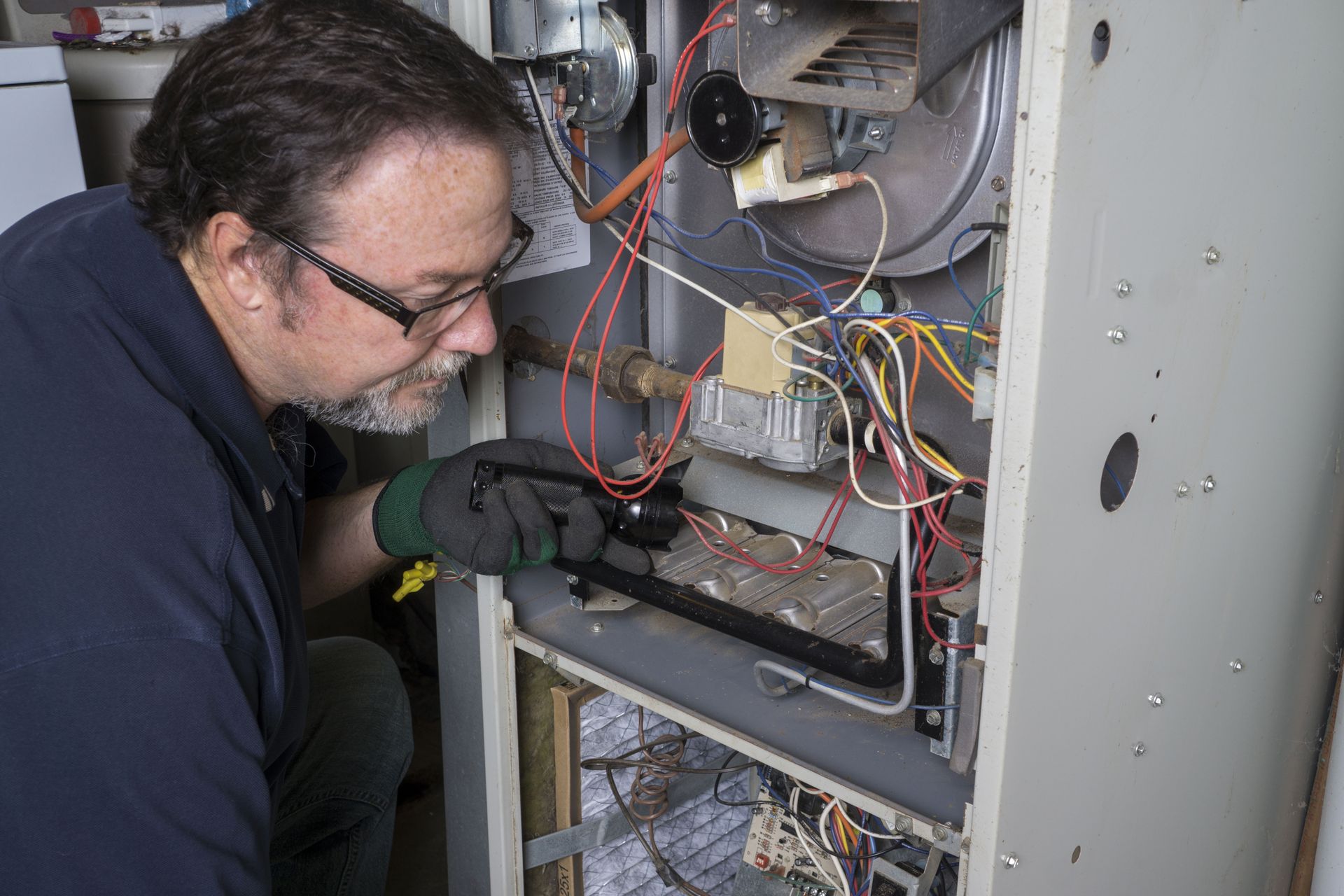
Streamlining the workspace before the technical specialist arrives on site substantially reduces diagnostic delays and facilitates faster restoration. Clear a generous, unobstructed walking path from the main entrance directly to the furnace closet, basement utility space, or attic entry hatch. Move storage boxes, laundry, seasonal decor, and personal items away from the perimeter of the heating unit to provide ample room for tools and testing equipment. Providing an accessible work area allows the certified technician to begin evaluating the mechanical failure immediately, ensuring that heating repair services can be executed without logistical friction.
In addition to physical clearance, prepare the household environment to accommodate the specialist safely and efficiently. Confine household pets securely in an isolated bedroom to avoid accidental escapes through exterior doors and prevent disruptions in the utility area. Ensure exterior walkways, driveways, and entry stairs are free of ice and adequately illuminated for nighttime foot traffic. Having your gathered equipment logs, warranty paperwork, and noted failure symptoms ready for immediate presentation allows the technician to cross-reference physical findings with operational history instantly.
Planning Preventive Measures for Future Reliability
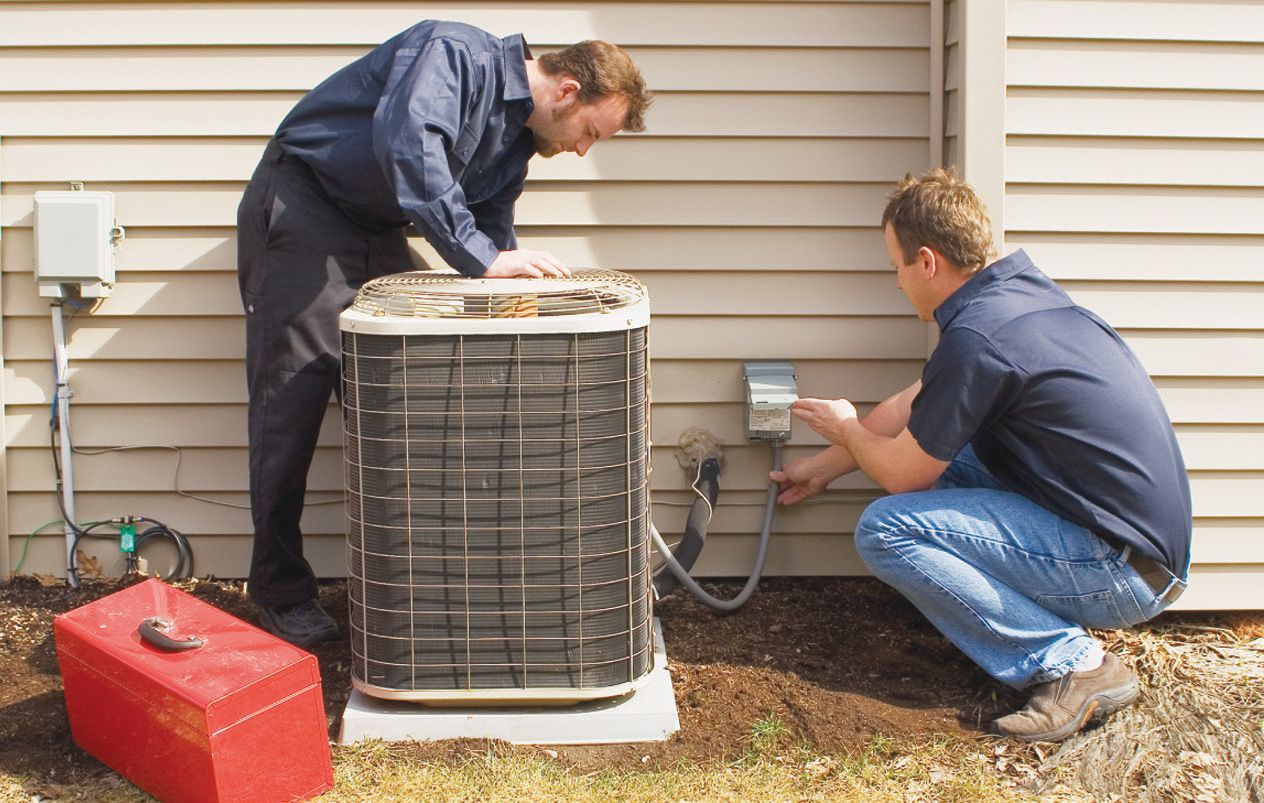
Preventing future overnight breakdowns requires transitioning from reactive emergency measures to disciplined seasonal care. Scheduling recurring biannual professional maintenance ensures that worn blower belts, failing capacitors, dirty burner assemblies, and degraded electrical contacts are identified and replaced well before winter storms arrive. Professional cleaning and tuning maximize fuel efficiency, protect the heat exchanger from premature cracks, and sustain balanced airflow distribution throughout the home. Proactive maintenance substantially diminishes the likelihood of experiencing catastrophic breakdowns that demand immediate emergency heating repair services in freezing weather.
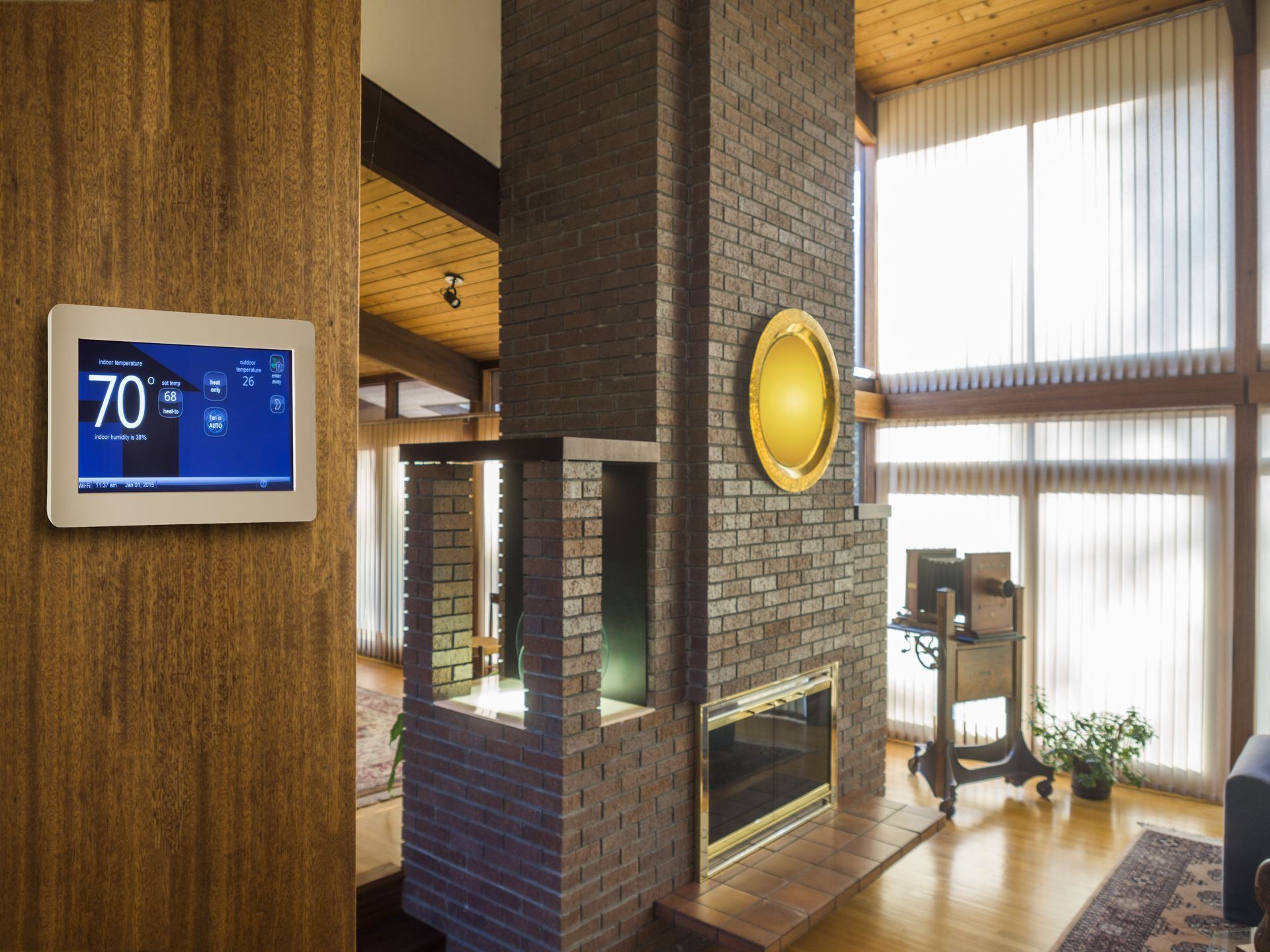
Investing in modernized system monitoring and equipment upgrades further reinforces long-term domestic security. Modern smart thermostats and remote sensors can track subtle temperature drops, system run times, and efficiency reductions, alerting homeowners to equipment degradation hours before a complete shutdown happens. When an existing heating system surpasses its expected operating lifespan, consulting with certified specialists regarding energy-efficient system replacements yields superior reliability and substantial long-term utility savings. Combining advanced monitoring technology with expert seasonal maintenance safeguards your household against unexpected winter disruptions for years to come.
An unexpected heating system breakdown in the dead of night presents serious challenges, but following an organized response protocol restores indoor comfort while keeping everyone safe. By prioritizing household safety, conserving indoor ambient warmth through sensible thermal retention strategies, and preparing your property for rapid mechanical access, you eliminate chaos from an urgent situation. Partnering with certified specialists ensures that complex mechanical failures receive comprehensive diagnostic attention rather than temporary or ill-advised workarounds.
When your heating system fails during extreme winter weather, swift action is essential to maintain a comfortable living space. Rely on The Witmer Company to provide prompt, dependable
heating repair services whenever cold weather compromises your indoor climate. Contact us immediately to schedule a certified technician who will restore your home heating system with prompt, professional excellence.








Share On: